
Neurology and Neurosurgery Department
As the leading Neurology hospital in Panipat, our primary mission is to offer you immediate clarity, deep compassion, and the highest level of medical expertise to safely navigate these complex health challenges. At Indraprastha Institute of Medical Sciences (IPIMS), our highly advanced, integrated neurosciences center combines the brilliance of 15+ years of experience from neurologists, highly skilled neurosurgeons, and state-of-the-art diagnostic technology under one roof.
From rapid, life-saving emergency stroke interventions to minimally invasive spine surgeries, we provide unparalleled, all-inclusive care right here on GT Road. You no longer need to travel to distant metro cities to receive elite neurological treatment.
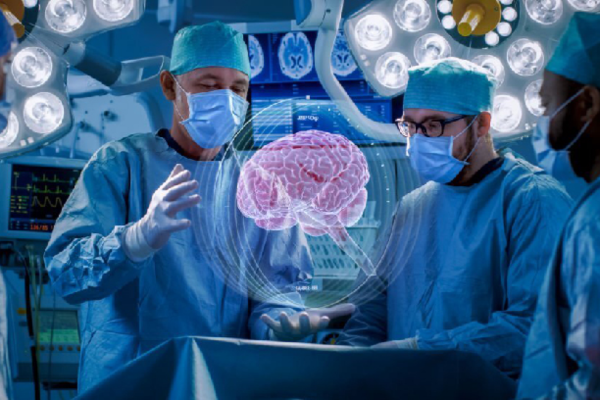
What is Neurology & Neurosurgery Care?
Our department addresses these critical regional health issues through aggressive preventive care, rapid emergency response, and highly advanced surgical interventions, striving to restore your maximum physical function and quality of life.
A stroke is a critical emergency occurring when the brain’s blood supply is blocked (ischemic) or bursts (hemorrhagic). Patients often show sudden face drooping, arm weakness, or slurred speech. Given the high rates of hypertension locally, immediate intervention is vital.
How We Treat It
- Intravenous Thrombolysis: Clot-busting drugs administered within the 4.5-hour golden window to restore blood flow.
- Mechanical Thrombectomy: Minimally invasive removal of large brain clots using advanced catheters.
- Decompressive Craniectomy: Emergency skull surgery to relieve deadly pressure caused by bleeding.
- Neuro-Rehabilitation: Immediate physical and speech therapy for maximum post-stroke recovery.
Epilepsy causes sudden, unprovoked seizures due to abnormal electrical bursts in the brain. Symptoms range from brief staring to uncontrollable jerking or loss of consciousness, heavily impacting daily independence.
How We Treat It
- Video EEG: Advanced monitoring to map abnormal electrical patterns precisely.
- Anti-Epileptic Drugs (AEDs): Tailored daily medications to control seizures with minimal side effects.
- Vagus Nerve Stimulation (VNS): A surgically implanted pacemaker-like device to prevent seizures in medication-resistant cases.
- Epilepsy Surgery: Safe surgical removal of the specific malfunctioning brain tissue causing the attacks.
Chronic migraines bring intense, throbbing pain, usually one-sided, paired with severe nausea and light sensitivity. These debilitating attacks can last for days, routinely disrupting work and family life.
How We Treat It
- Trigger Identification: Mapping lifestyle, stress, and dietary factors to prevent attacks.
- Acute Abortive Therapy: Targeted drugs designed to stop a migraine the moment it begins.
- Preventative Medications: Daily prescriptions to calm overactive nerve pathways.
- Therapeutic Botox Injections: Precise injections around the head and neck to block pain signals for severe, frequent sufferers.
Parkinson’s is a progressive disorder caused by decreasing dopamine levels in the brain. It begins with subtle resting tremors, progressing to muscle stiffness, slow movement, and severe balance issues.
How We Treat It
- Dopamine Replacement Therapy: Individualized Levodopa prescriptions to replenish brain chemicals and improve muscle control.
- Motor Rehabilitation: Specialized physical therapy to enhance balance and walking gait.
- Deep Brain Stimulation (DBS): Surgical implantation of fine brain electrodes to override abnormal tremor signals when medications fail.
Botox Therapy: Targeted injections to rapidly relax painful, sustained muscle contractions (dystonia).
Abnormal cell growths inside the rigid skull press against sensitive brain tissue, causing worsening headaches, seizures, vision loss, or personality changes. Early, highly accurate diagnosis is critical for a safe outcome.
How We Treat It
- Advanced Neuro-Imaging: In-house 3D MRI mapping of the tumor’s size, location, and blood supply.
- Awake Craniotomy: Surgery where the patient is gently awakened to safely map and preserve critical speech or motor functions.
- Microsurgical Tumor Excision: High-precision removal of the mass using operative microscopes and neuro-navigation systems.
- Chemotherapy & Radiation: Coordinated oncology care to destroy remaining microscopic cancer cells.
A “slipped” disc occurs when the rubbery spinal cushion tears, pressing against adjacent nerves. This causes excruciating, burning pain shooting down the leg (sciatica), alongside numbness and muscle weakness.
How We Treat It
- Medical Management: Rest, anti-inflammatories, and muscle relaxants to reduce acute nerve swelling.
- Epidural Steroid Injections: Image-guided injections directly into the spine for profound, long-lasting pain relief.
- Endoscopic Microdiscectomy: Minimally invasive removal of the protruding disc piece via a tiny keyhole incision.
- Spinal Fusion Surgery: Permanent stabilization of the painful vertebrae using titanium rods for severe instability.
Often resulting from GT Road accidents or severe falls, TBI ranges from mild concussions to life-threatening internal bleeding (hematomas). Immediate emergency evaluation is absolutely non-negotiable.
How We Treat It
- Rapid Stabilization: Securing the airway and stabilizing blood pressure to prevent secondary brain damage.
- Emergency Burr Hole Surgery: Urgent skull surgery to drain expanding blood clots and relieve deadly pressure.
- Neuro-ICU Care: Continuous 24/7 monitoring of brain pressure and oxygen levels.
- Cognitive Rehabilitation: Long-term therapy designed to relearn lost speech, memory, and motor skills.
Alzheimer’s is a progressive decline in mental ability caused by abnormal protein buildup, leading to healthy brain cell death. Patients experience profound memory loss, deep confusion, and behavioral changes.
How We Treat It
- Cognitive Testing: Detailed assessments and scans to rule out any reversible causes of memory loss.
- Memory-Enhancing Medications: Prescriptions to temporarily improve thinking and language by boosting vital brain chemicals.
- Behavioral Therapy: Safe management of secondary symptoms like severe anxiety or nighttime agitation.
- Caregiver Support: Extensive counseling to help families safely manage behavioral changes and modify the home environment.
MS is an autoimmune disease where the body mistakenly attacks the protective insulation (myelin) of brain and spinal nerves. Symptoms include severe fatigue, limb numbness, and difficulty walking.
How We Treat It
- High-Dose Corticosteroids: Rapid IV treatment to quickly suppress the immune system during acute flare-ups.
- Disease-Modifying Therapies (DMTs): Long-term medications to slow disease progression and prevent new brain lesions.
- Plasmapheresis: Physically filtering harmful antibodies from the blood for highly aggressive attacks.
- Symptomatic Management: Targeted care for daily muscle spasms, profound fatigue, and bladder issues.
Often caused by poorly controlled diabetes, neuropathy involves damage to the delicate nerves in the hands and feet. Patients experience “pins and needles,” burning pain, and dangerous total numbness.
How We Treat It
- Strict Metabolic Control: Collaborating with endocrinologists to optimize blood sugar and correct nutritional deficiencies.
- Neuropathic Medications: Specialized anti-seizure or antidepressant drugs to calm misfiring pain signals.
- Topical Treatments: Localized numbing creams and patches for severe skin hypersensitivity.
- EMG/NCV Testing: Advanced electrical tests to accurately track disease progression and treatment success.
Damage to the fragile spinal cord from traumatic fractures or growing tumors can cause devastating, permanent paralysis. These are highly complex emergencies requiring elite neurosurgical expertise.
How We Treat It
- High-Dose Steroid Protocol: Immediate IV steroids to minimize catastrophic swelling inside the spinal canal.
- Decompression Surgery (Laminectomy): Emergency removal of bone fragments or tumors physically crushing the spinal cord.
- Complex Spinal Stabilization: Utilizing titanium plates and rods to perfectly realign and stabilize a fractured spine.
- Microsurgical Tumor Removal: Delicate resection of tumors using real-time nerve monitoring to preserve healthy tissue.
Caused by a blood vessel abnormally pressing against the facial nerve, this condition triggers agonizing, electric shock-like pain in the cheek or jaw from mild activities like brushing teeth or feeling a breeze.
How We Treat It
- Targeted Medical Therapy: Anti-convulsant drugs to rapidly block the abnormal nerve firing causing the pain.
- Radiofrequency Lesioning: A minimally invasive procedure applying controlled heat to safely dull the nerve’s pain signals.
- Microvascular Decompression (MVD) Surgery: A permanent surgical cure where our neurosurgeons place a tiny Teflon sponge between the nerve and the crushing blood vessel.
Our Neurology & Neurosurgery Services in Panipat
Advanced Neurological Diagnostic Services
- 3D MRI & CT Scanning: High-resolution imaging to instantly detect brain tumors, fresh strokes, and complex spinal cord compression with crystal clarity.
- Electroencephalogram (EEG) & Video EEG: Painless tests to record brain wave patterns, absolutely essential for accurately diagnosing and classifying epilepsy and seizure disorders.
- Electromyography (EMG) & Nerve Conduction Velocity (NCV): Sophisticated electrical tests used to pinpoint the exact location and severity of peripheral nerve damage and muscle-wasting diseases.
- Cerebral Angiography (DSA Lab): A highly advanced imaging technique using contrast dye to perfectly visualize the delicate blood vessels inside the brain to detect dangerous aneurysms or blockages.
Comprehensive Surgical & Non-Surgical Treatments
- Acute Stroke Interventions: Immediate IV thrombolysis (clot-busting) and highly advanced mechanical thrombectomy for acute ischemic stroke emergencies.
- Minimally Invasive Spine Surgery (MISS): Advanced microscopic techniques for slipped discs, severe sciatica, and spinal canal stenosis, ensuring minimal blood loss, less pain, and a drastically faster return to work.
- Complex Brain Surgery (Craniotomy): Expert surgical removal of benign and malignant brain tumors, life-saving trauma surgery for head injuries, and clipping of bleeding brain aneurysms.
- Functional Neurosurgery: Advanced Deep Brain Stimulation (DBS) for Parkinson’s disease and highly precise Microvascular Decompression for Trigeminal Neuralgia.
- Medical Neurology Management: Expert, long-term pharmacological care for chronic headaches, multiple sclerosis, Alzheimer's dementia, and severe peripheral neuropathy.
Why Patients in Panipat Trust IPIMS for Neurology & Neurosurgery Care
Entrusting a hospital with your brain or spine surgery is a monumental decision. Patients across Haryana consistently choose IPIMS for our unwavering commitment to safety, technology, and clinical excellence.
- 24/7 Stroke & Trauma Ready — Brain injuries and strokes are heavily time-dependent. Our dedicated emergency team and CT scanners are fully operational round-the-clock. Call 0180 66 55 000 immediately for emergencies.
- Advanced Modular Operation Theatres — Our neurosurgery OTs are equipped with strictly controlled laminar airflow, advanced Leica operative microscopes, and high-precision neuro-navigation systems to ensure absolute surgical safety.
- Highly Experienced Specialists — You will be directly treated by an elite team of [XX Years Experience] neurologists and neurosurgeons who have successfully performed thousands of complex procedures.
- 100% In-House Diagnostics — We do not rely on outside labs. From 3D MRIs to complex NCV tests, all necessary neuro-diagnostics are completed swiftly within our own facility.
- Transparent, Affordable Pricing — We strongly believe in ethical healthcare. We provide highly detailed, fully transparent cost estimates for surgeries before admission, with zero hidden surprises.
- Wide Insurance Acceptance — We proudly accept Ayushman Bharat, CGHS, ECHS, and all major private corporate health insurances, making elite neuro-care financially accessible.
- Accessible GT Road Location — Located right on NH-44 in Panipat, our expansive hospital is incredibly easy to reach for patients traveling from Karnal, Sonipat, Samalkha, and Kaithal.
- Compassionate Bilingual Care — Brain conditions are highly stressful. Our doctors explain complex diagnoses, surgical risks, and recovery plans clearly and patiently in both Hindi and English.
Your Neurology Treatment Journey at IPIMS
We have meticulously designed our patient journey to alleviate your fear and provide absolute clarity at every single step of the process.
Book Your Appointment
You can seamlessly schedule a consultation via our website, call our desk, message us on WhatsApp, or come to our 24/7 emergency room in Panipat.
Initial Detailed Consultation
Your neurologist will take a deep medical history, listen to your symptoms, and conduct a thorough neurological exam including reflexes, strength, and balance testing.
Rapid In-House Diagnostics
If required, you will be quickly guided to our advanced diagnostic wing for MRI, CT scan, or EEG with urgent report generation.
Diagnosis & Treatment Plan
Your doctor will explain your condition clearly, show scans on screen, and discuss all possible medical or surgical treatment options in simple language.
Treatment / Surgery / Procedure
If surgery is needed, it is performed in ultra-sterile modular OTs by expert neurosurgeons. Otherwise, targeted medical treatment begins immediately.
Recovery, Rehabilitation & Follow-up
Post-treatment, our neuro-rehabilitation team supports your recovery with physiotherapy and scheduled follow-ups for long-term health success.
When Should You See a Neurologist in Panipat?
Neurological symptoms can be incredibly subtle or violently sudden. Never ignore warning signs originating from your nervous system, as early intervention is absolutely key to preventing permanent damage.
- Severe, chronic headaches or migraines that frequently disrupt your ability to work or sleep.
- Persistent, unexplained numbness, intense tingling, or a "burning" sensation in your hands, feet, or legs.
- A slow, progressive weakness in your limbs, making it difficult to grip objects or walk normally.
- Unexplained dizziness, frequent loss of balance, or feeling uncoordinated when moving.
- Noticeable tremors, shaking in your hands at rest, or involuntary muscle spasms.
- Significant, worrying changes in your short-term memory, deep confusion, or difficulty finding the right words.
- Chronic, severe lower back pain or neck pain that shoots down into your arms or legs.
- Face: Sudden, noticeable drooping or numbness on one side of the face.
- Arms: Sudden weakness or complete inability to raise one arm.
- Speech: Sudden slurred speech, garbled words, or inability to speak.
- Time: Call emergency immediately — time lost is brain lost.
- Other red flags include a sudden, severe "thunderclap" headache or an unexplained, violent seizure.
Neurological Emergency & Stroke Care at IPIMS — 24/7
📞 Emergency: 0180 66 55 000
💬 WhatsApp: +91 70566 67979Frequently Asked Questions — Neurology & Neurosurgery at IPIMS Panipat
Visit IPIMS Neurology & Neurosurgery — Panipat
Your brain and spine health dictate your entire quality of life. Do not delay seeking expert care. We are here to provide the highest standard of neuro-care in your city.
📍 Address
IPIMS Hospital, Main G.T. Road, Panipat, Haryana
🕘 OPD Hours
Monday to Saturday: 9:00 AM – 5:00 PM
🚨 Emergency Stroke & Trauma
24/7, 365 Days a Year
📞 Call
+91 70566 67979
+91 70566 67979