
Nephrology Department
Our fully-equipped Nephrology Department is dedicated to diagnosing, managing, and effectively treating all types of kidney conditions. Backed by advanced medical technology, highly experienced specialists, and a seamless all-under-one-roof care model, IPIMS provides comprehensive solutions ranging from routine preventive screening to complex dialysis care. You do not need to travel far to receive world-class medical attention. Trust our experts to protect your vital organs and restore your quality of life.
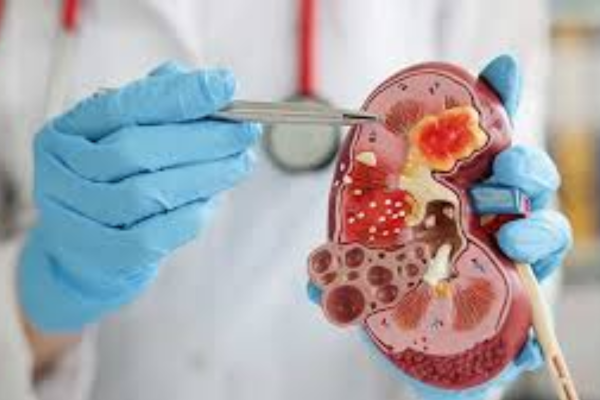
What is Nephrology Care?
This critical medical specialty handles a wide array of health problems, from chronic kidney deterioration and severe infections to dangerous fluid imbalances. With rates of diabetes and high blood pressure rising steadily across Haryana and North India, expert localized kidney care has become incredibly vital for our community’s long-term health.
Chronic Kidney Disease (CKD) occurs when your kidneys gradually lose their ability to filter waste from your blood over an extended period. Patients often experience lingering fatigue, swelling in the ankles, and noticeable changes in urination habits. Due to rising rates of diabetes and hypertension, CKD has become highly common in the Panipat region. How We Treat It:
- Comprehensive Diagnostics: We start with detailed blood and urine tests to precisely stage the disease.
- Medical Management: Non-surgical treatment involves prescribing specialized medications to aggressively control blood pressure and protect remaining kidney function.
- Dietary Counseling: We partner with the Diet & Nutrition expert to design a strict, highly personalized renal-friendly meal plan.
- Advanced Dialysis: For later stages, we offer state-of-the-art Hemodialysis to artificially and safely clean your blood.
- Expected Outcome: While CKD cannot be cured completely, our targeted goal is to drastically slow its progression and significantly improve your quality of life.
Acute Kidney Injury (AKI) is a sudden, rapid episode of kidney failure or kidney damage that typically happens within a few hours or days. It causes a dangerous buildup of waste products in your blood and is often triggered by severe dehydration, heavy medication use, or sudden physical trauma.
How We Treat It:
- Immediate Stabilization: We admit patients quickly to our ICU unit for close, continuous monitoring of vital signs.
- Fluid Resuscitation: We utilize Intravenous (IV) Fluid Therapy to safely restore fluid balance and encourage immediate urine output.
- Medication Adjustment: We carefully evaluate and halt any medications that may be causing direct toxicity to your kidneys.
- Emergency Dialysis: In severe cases where the kidneys completely stop, we perform Acute Hemodialysis to rapidly clear life-threatening toxins.
- Expected Outcome: With prompt, aggressive treatment at IPIMS, AKI is often fully reversible, and normal kidney function can usually be restored within weeks.
Kidney Stones are hard, painful deposits made of minerals and salts that form deep inside your kidneys. Patients typically suffer from severe, sharp pain in the back or side, accompanied by nausea and blood in the urine. This is a very frequent complaint in Haryana due to local dietary habits and dehydration.
How We Treat It:
- Pain Management: Our first non-surgical step is providing strong, immediate medications to relieve agonizing pain and relax the urinary tract.
- Increased Hydration: We implement a medically guided fluid regimen to help naturally flush out smaller stones without invasive procedures.
- Lithotripsy: For medium stones, we collaborate with the Urology department to use Extracorporeal Shock Wave Lithotripsy (ESWL), breaking the stones using sound waves.
- Surgical Removal: For very large stones, we perform minimally invasive Percutaneous Nephrolithotomy (PCNL) to physically extract the blockage.
Expected Outcome: Complete removal of the stone and immediate pain relief, followed by preventive strategies to stop future stones from forming.
Diabetic Nephropathy is a serious complication of type 1 and type 2 diabetes where consistently high blood sugar slowly damages the delicate filtering system in the kidneys. In the early stages, there are no symptoms, but it eventually leads to massive protein loss in the urine and extreme swelling in the limbs. 4
How We Treat It:
- Strict Glycemic Control: We collaborate closely with the Internal Medicine to tightly regulate and monitor your daily blood sugar levels.
- Blood Pressure Management: We prescribe specific ACE Inhibitors or ARBs (blood pressure medications) that are clinically proven to protect kidney filters.
- Lifestyle Interventions: We introduce comprehensive lifestyle changes, including guided weight loss and strict reduction of dietary sodium.
- Routine Monitoring: We schedule consistent, regular screening for microalbuminuria (tiny amounts of protein in urine) to catch damage early.
- Expected Outcome: Proactive, disciplined management significantly delays the onset of complete kidney failure, allowing patients to live actively for decades.
Hypertensive Nephropathy is progressive kidney damage caused by long-term, poorly controlled high blood pressure. High pressure forcefully damages the blood vessels inside the kidneys, restricting blood flow and causing the organs to shrink and fail over time. It is a leading cause of kidney failure among older adults in Panipat.
How We Treat It:
- Aggressive BP Control: The cornerstone of our non-surgical treatment is strict, multi-drug Antihypertensive Therapy to forcefully lower blood pressure to safe levels.
- Cardiac Evaluation: Because the heart and kidneys are linked, we consult with the Cardiology department to ensure overall cardiovascular stability.
- Fluid Management: We frequently prescribe Diuretics (water pills) to help your kidneys flush out excess sodium and trapped fluids.
- Renal Ultrasound: We utilize routine imaging to monitor the physical size and blood flow of the kidneys closely.
- Expected Outcome: Keeping blood pressure strictly within target ranges prevents further tissue scarring, saving the patient from needing future dialysis.
Glomerulonephritis is a highly specific condition characterized by dangerous inflammation of the tiny filters in your kidneys (glomeruli). It can occur suddenly after a basic throat infection or develop silently over years due to immune system disorders. Symptoms often include pink or cola-colored urine, foamy urine, and facial swelling.
How We Treat It:
- Diagnostic Biopsy: We perform a safe, ultrasound-guided Renal Biopsy to extract a tiny tissue sample and identify the exact cause of inflammation.
- Immunosuppressive Therapy: We aggressively treat the condition by prescribing strong medications, like corticosteroids, to calm the overactive immune system.
- Infection Control: If caused by an underlying bacterial infection, we utilize targeted, high-dose Antibiotic Therapy.
- Plasmapheresis: In very severe immune attacks, we offer Plasmapheresis, a sophisticated process that directly filters harmful antibodies out of your blood plasma.
- Expected Outcome: Early, aggressive intervention can completely halt the inflammation, fully preserving kidney function and preventing permanent scarring.
Polycystic Kidney Disease (PKD) is an inherited, genetic disorder in which clusters of non-cancerous, fluid-filled cysts develop primarily within your kidneys, causing them to enlarge and lose function over time. Patients often report chronic back pain, frequent headaches, and high blood pressure starting in their early adulthood.
How We Treat It:
- Pain and BP Management: We focus on non-surgical, aggressive control of high blood pressure and specialized medications to manage chronic abdominal pain.
- Cyst Growth Inhibition: We prescribe advanced, targeted therapies designed specifically to slow down the rapid growth rate of the cysts.
- Complication Monitoring: We routinely screen for associated complications, such as aneurysms or heart valve abnormalities, ensuring holistic safety.
- Cyst Drainage: In rare cases of severe, unbearable pain, we perform minimally invasive Cyst Sclerotherapy to safely drain and shrink problematic cysts.
- Expected Outcome: Careful, continuous management significantly prolongs the lifespan of the native kidneys, vastly delaying the need for renal replacement therapies.
Nephrotic Syndrome is not a single disease, but a collection of distressing symptoms indicating your kidneys are leaking massive amounts of protein into your urine. This results in severe, noticeable swelling (edema) around the eyes and in the feet, accompanied by extreme fatigue and an increased risk of dangerous blood clots.
How We Treat It:
- Protein Loss Reduction: We immediately utilize specialized blood pressure medications that uniquely reduce the internal pressure of the kidney filters to stop protein leakage.
- Swelling Reduction: We prescribe potent Diuretics to aggressively force the body to release the heavy burden of trapped, excess water.
- Cholesterol Management: Because the syndrome heavily spikes cholesterol, we introduce strong statin medications to protect your heart health.
- Blood Clot Prevention: We may administer safe Anticoagulant Therapy (blood thinners) to drastically reduce the high risk of dangerous internal clotting.
- Expected Outcome: With strict medication adherence, patients typically see a complete resolution of swelling and a massive reduction in protein leakage within weeks.
Pyelonephritis is a specific type of urinary tract infection (UTI) that begins in the urethra or bladder and travels aggressively upward into one or both of your kidneys. Patients suffer from sudden high fevers, uncontrollable shivering, severe back pain, and a frequent, painful urge to urinate.
How We Treat It:
- Urine Culture: We immediately perform advanced laboratory testing to perfectly identify the specific bacteria causing the aggressive infection.
- Oral Antibiotics: For mild, early-stage cases, we prescribe a targeted course of potent oral antibiotics to be taken at home.
- Intravenous (IV) Antibiotics: For severe infections, we admit patients for immediate Intravenous Antibiotic Therapy to quickly flood the system with medication.
- Abscess Drainage: If a pocket of pus forms, we safely perform a Percutaneous Drainage procedure using imaging guidance to clear the infection.
Expected Outcome: Swift, accurate antibiotic treatment completely clears the bacteria within 7 to 14 days, totally preventing any permanent scarring of the kidney tissue.
Electrolyte Imbalances occur when the levels of vital minerals in your blood—such as sodium, potassium, and calcium—become dangerously too high or too low. Because the kidneys perfectly regulate these minerals, kidney dysfunction often leads to profound muscle weakness, dangerous irregular heartbeats, and severe neurological confusion. How We Treat It:
- Rapid Blood Analysis: We utilize our in-house lab for immediate, high-speed blood testing to determine exactly which electrolytes are out of balance.
- Intravenous Correction: We meticulously administer specialized IV Electrolyte Infusions to safely and slowly restore depleted mineral levels back to normal.
- Potassium Binders: If potassium is dangerously high, we urgently prescribe specific oral binding medications to safely pull excess potassium out through the digestive tract.
- Dialysis Intervention: In life-threatening scenarios of extreme imbalance, we initiate emergency Hemodialysis to rapidly correct the blood chemistry.
- Expected Outcome: Immediate and precise medical correction stabilizes the patient’s heart rhythm and totally resolves muscle weakness within hours.
End-Stage Renal Disease (ESRD) is the final, most severe stage of chronic kidney disease, where your kidneys are functioning at less than 15% of their normal capacity. At this critical stage, the kidneys can no longer sustain life on their own, and patients experience severe nausea, complete loss of appetite, and dangerous fluid buildup in the lungs. How We Treat It:
- Vascular Access Surgery: We prepare patients for long-term treatment by creating an Arteriovenous (AV) Fistula, a minor surgical procedure to strengthen a vein for dialysis.
- Routine Hemodialysis: We provide comfortable, highly monitored Maintenance Hemodialysis sessions three times a week in our advanced dialysis center.
- Peritoneal Dialysis: We offer comprehensive training and surgical catheter placement for Continuous Ambulatory Peritoneal Dialysis (CAPD), allowing patients to dialyze at home.
- Transplant Preparation: We meticulously evaluate patients and guide them through the complex medical preparations required for a future Kidney Transplant.
Expected Outcome: Dedicated, high-quality dialysis care successfully replaces lost kidney function, allowing ESRD patients to continue living meaningful, active lives.
Proteinuria (excess protein in the urine) and Hematuria (visible or microscopic blood in the urine) are not diseases themselves, but major, early warning signs of underlying kidney distress. Patients may notice their urine looks unusually foamy, pink, or completely dark like cola, prompting immediate medical investigation.
How We Treat It:
- Advanced Screening: We utilize high-resolution imaging and specialized 24-hour urine collection tests to definitively trace the exact source of the bleeding or leakage.
- Cause-Specific Therapy: We strictly target the root cause, whether it is an underlying infection, high blood pressure, or early-stage inflammation, using appropriate medications.
- Dietary Adjustments: We implement focused, temporary dietary restrictions to drastically reduce the daily workload on the stressed kidneys.
- Cystoscopy: In cases of unexplained bleeding, we may utilize a minor Cystoscopy procedure to thoroughly visually inspect the bladder and urinary tract for abnormalities.
- Expected Outcome: By accurately identifying and aggressively treating the root cause early, we successfully stop the leakage and prevent progression to chronic disease.
Our Nephrology Services in Panipat
Diagnostic Services
- Renal Ultrasound Imaging: A completely painless, non-invasive scan that visualizes the size, shape, and structure of your kidneys to detect cysts, stones, or blockages.
- Advanced Blood Chemistry Panels: Detailed blood tests measuring Serum Creatinine and Blood Urea Nitrogen (BUN) to accurately assess kidney function and calculate GFR.
- Comprehensive Urinalysis: Microscopic and chemical analysis of urine to detect infections, protein loss, or hidden blood.
- 24-Hour Urine Collection Test: A specialized test that measures total protein and waste excretion over 24 hours, essential for evaluating kidney disease severity.
- Ultrasound-Guided Kidney Biopsy: A minimally invasive procedure using a fine needle to obtain a small kidney tissue sample for accurate diagnosis of complex conditions.
- CT KUB (Kidneys, Ureters, Bladder): High-resolution CT imaging used to detect and precisely locate kidney stones and urinary tract abnormalities.
Surgical & Non-Surgical Treatments
- In-Center Hemodialysis: Advanced, ultra-hygienic dialysis sessions using modern machines, with continuous monitoring by trained staff for safe and comfortable treatment.
- Peritoneal Dialysis (PD) Programs: Complete support including catheter placement and step-by-step training to help you safely perform dialysis at home.
- Continuous Renal Replacement Therapy (CRRT): A specialized, slow and continuous dialysis method used in ICU for critically ill patients who cannot tolerate standard dialysis.
- Medical Management of Chronic Conditions: Expert management of blood pressure, diabetes, and electrolyte balance to protect kidney function and slow disease progression.
- AV Fistula & Graft Creation: Minor surgical procedures to create strong and reliable vascular access for long-term hemodialysis.
- Pre- & Post-Kidney Transplant Care: Comprehensive evaluation before transplant and lifelong follow-up care including medication management after transplant.
Why Patients in Panipat Trust IPIMS for Nephrology Care
Choosing the right hospital for kidney care is a crucial decision. At IPIMS Hospital, we combine advanced medical technology with compassionate care to deliver safe, reliable, and effective nephrology treatment for every patient.
- Advanced Medical Technology — Latest dialysis machines and high-precision diagnostic systems ensure accurate and safe treatment outcomes.
- 24/7 Emergency Support — Our emergency department is operational round-the-clock to handle urgent kidney-related conditions without delay.
- Experienced Nephrology Specialists — A highly skilled team of doctors with extensive clinical experience in managing complex kidney diseases.
- Ultra-Pure RO Water System — Double-pass RO purification ensures the highest safety standards for infection-free dialysis sessions.
- Comfort-Focused Dialysis Center — Ergonomic reclining chairs, personal entertainment options, and a calm environment for a stress-free experience.
- Complete In-House Diagnostics — All tests including blood work, imaging, and biopsies are available under one roof for faster care.
- Transparent & Affordable Pricing — Clear cost estimates with no hidden charges, ensuring complete financial transparency.
- Insurance & Ayushman Bharat Accepted — We support major insurance plans along with Ayushman Bharat, CGHS, and ECHS.
- Prime GT Road Location — Easily accessible hospital location on NH-44 for patients from nearby cities and regions.
Your Nephrology Treatment Journey at IPIMS
We understand that visiting a kidney specialist can feel stressful. At IPIMS Hospital, we have designed a smooth, transparent, and step-by-step care journey so you always know what to expect.
Seamless Appointment Booking
Book your visit easily via website, WhatsApp, phone call, or by visiting our hospital reception in Panipat.
Comprehensive Initial Consultation
Your nephrologist carefully reviews your medical history, previous reports, and current symptoms in detail.
Rapid In-House Diagnostics
Blood and urine tests are performed in our in-house lab, with most reports available on the same day.
Clear Diagnosis & Treatment Plan
Your doctor explains your condition in simple language and provides a personalized step-by-step treatment plan.
Comfortable Treatment / Procedure
From medication management to dialysis or biopsy, our expert team ensures safe and comfortable care throughout.
Ongoing Recovery & Follow-up
Regular follow-ups and lab monitoring help track progress and adjust treatment for long-term kidney health.
When Should You See a Kidney Specialist in Panipat?
Kidney diseases often develop silently in early stages, but timely recognition of symptoms can prevent serious complications. Do not ignore these warning signs.
- Persistent fatigue, weakness, or low energy without clear reason
- Swelling in ankles, feet, face, or around the eyes (edema)
- Foamy, dark, or unusual changes in urine color or appearance
- Changes in urination frequency (too much or too little urine)
- Metallic taste in mouth or persistent bad breath
- Difficulty controlling blood pressure despite regular medication
- Long-standing diabetes or high-risk family history of kidney disease
- Complete inability to pass urine suddenly
- Severe, sharp pain in lower back or flank region
- Severe confusion, drowsiness, or vomiting with weakness
- Sudden shortness of breath or coughing pink/foamy fluid
- Rapid swelling of body with severe discomfort
Nephrology & Kidney Emergency at IPIMS — 24/7
📞 Emergency: 0180 66 55 000
💬 WhatsApp: +91 70566 67979Frequently Asked Questions — Nephrology at IPIMS Panipat
Visit IPIMS Nephrology Department — Panipat
Do not let kidney disease take control of your life. Take timely action for your kidney health with expert nephrology care at IPIMS Hospital. Our team is dedicated to providing safe, compassionate, and advanced treatment for all kidney conditions.
📍 Address
IPIMS Hospital (Indraprastha Institute of Medical Sciences), Main G.T. Road, NH-44, Panipat, Haryana
🕘 OPD Hours
Monday to Saturday: 9:00 AM – 5:00 PM
🚨 Emergency & Dialysis Unit
24/7, 365 Days a Year
📞 Call
+91 70566 67979
+91 70566 67979