
Cardiology Department in Panipat
Strategically located on the main GT Road, IPIMS Hospital is recognized as a leading Cardiology hospital in Panipat, serving the community with dedication, advanced medical technology, and a highly experienced team of cardiac specialists. Whether you are coming from Panipat city, Karnal, or Samalkha, our facility ensures you receive comprehensive, all-under-one-roof care without the need to travel to a metro city. From routine heart check-ups to life-saving emergency interventions, our expert cardiologists and dedicated nursing staff are committed to protecting your heart health.
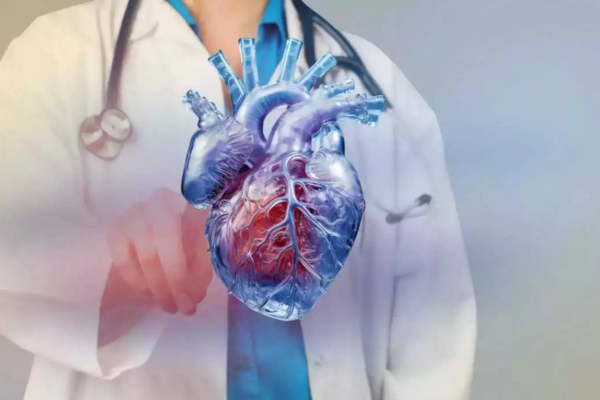
What is Cardiology Care?
Heart disease is unfortunately becoming increasingly common across North India, with the state of Haryana seeing a significant rise in lifestyle-related cardiac issues due to changing diets, stress, and reduced physical activity. In fact, many patients in the Panipat and Sonipat region remain unaware of underlying heart conditions until a major event occurs. Regular screenings, timely medical advice, and expert intervention are critical, and our team is fully equipped to handle all aspects of your cardiovascular well-being.
Coronary Artery Disease occurs when the major blood vessels supplying your heart with blood, oxygen, and nutrients become narrowed or blocked by a buildup of cholesterol and plaque. This is a highly common condition that restricts blood flow, leading to symptoms like angina (chest pain), severe shortness of breath, and chronic fatigue. Over time, if left untreated, CAD can significantly weaken the heart muscle and increase the risk of a heart attack.
How We Treat It:
- Medical Management: We initiate treatment with lifestyle modifications and advanced medications to lower cholesterol, reduce blood pressure, and improve overall blood flow.
- Coronary Angiography: Used as a diagnostic step to visually map the arteries and pinpoint the exact location and severity of any blockages.
- Percutaneous Coronary Intervention (Angioplasty): A minimally invasive procedure where our specialists use a tiny balloon to open the blocked artery, followed by the placement of a Stent to keep it permanently open. Recovery is swift, usually requiring just a short hospital stay.
Coronary Artery Bypass Graft (CABG): For highly complex or multiple blockages, we coordinate with our surgical team for a bypass surgery to reroute blood flow around the blocked arteries.
A Myocardial Infarction, commonly known as a Heart Attack, is a critical medical emergency. It happens when the blood flow to a part of the heart muscle is suddenly and completely blocked, usually by a blood clot. The lack of oxygen causes the heart tissue to begin dying. Symptoms include crushing chest pain that may radiate to the arm or jaw, cold sweats, extreme dizziness, and difficulty breathing.
How We Treat It:
- Rapid Emergency Response: Upon arrival at our 24/7 emergency unit, we immediately administer clot-busting medications (thrombolytics) and blood thinners to restore initial flow.
- Primary Angioplasty: This is our gold standard, immediate intervention. We physically remove the life-threatening blockage and insert a Stent to restore oxygen to the dying heart muscle as rapidly as possible.
- Cardiac ICU Care: Post-procedure, patients are transferred to our specialized, heavily monitored Cardiac ICU for close observation to prevent secondary events.
- Cardiac Rehabilitation: We design a long-term care, diet, and physical therapy plan to strengthen the heart and prevent future attacks.
An arrhythmia is a problem with the rate or rhythm of your heartbeat. Your heart may beat too fast (tachycardia), too slow (bradycardia), or with an irregular, fluttering pattern (like atrial fibrillation). While some arrhythmias are harmless, others can cause your heart to pump blood inefficiently, leading to dizziness, fainting, shortness of breath, or a higher risk of stroke.
How We Treat It:
- Anti-Arrhythmic Medications: First-line treatment to control the heart rate and rhythm, often combined with blood thinners to prevent clot formation.
- Electrical Cardioversion: For stubborn arrhythmias, we use carefully controlled electric shocks to instantly reset the heart’s rhythm back to normal.
- Radiofrequency Ablation: A targeted procedure to map and destroy the tiny, specific areas of heart tissue that are causing the abnormal electrical signals.
- Pacemaker Implantation: If the heart beats dangerously slow, our surgeons perform a minor procedure to implant a Pacemaker under the skin, which automatically regulates the heartbeat.
Heart failure does not mean your heart has completely stopped working; rather, it means your heart muscle has become too weak or stiff to pump blood effectively enough to meet your body’s demands. This leads to fluid buildup in the lungs, legs, and abdomen. Patients often experience severe shortness of breath (especially when lying down), chronic fatigue, rapid weight gain from fluid retention, and swollen ankles.
How We Treat It:
- Comprehensive Medication Regimen: We prescribe a combination of diuretics (water pills) to reduce fluid buildup, beta-blockers to lower the heart rate, and ACE inhibitors to relax blood vessels and decrease the workload on the heart.
- Dietary & Fluid Counseling: Strict guidance on low-sodium diets and restricted fluid intake to manage daily symptoms effectively.
- Implantable Cardioverter-Defibrillator (ICD): In advanced cases with a high risk of sudden cardiac arrest, we implant this device to monitor and correct life-threatening rhythms.
- Cardiac Resynchronization Therapy (CRT): We utilize a specialized biventricular pacemaker to help the lower chambers of a weakened heart pump together more efficiently.
Hypertension is often called the “silent killer” because it rarely shows clear symptoms until it has caused significant damage to the heart and blood vessels. It occurs when the force of blood pushing against the walls of your arteries is consistently too high. Over years, this excessive pressure forces the heart to work much harder than normal, drastically increasing the risk of heart attacks, strokes, and kidney failure.
How We Treat It:
- Guided Lifestyle Modifications: Treatment begins with a focus on a low-sodium diet, structured regular exercise, weight management, and stress reduction techniques.
- 24-Hour Ambulatory Blood Pressure Monitoring: We utilize wearable monitors to track your readings continuously throughout the day and night to establish a highly accurate baseline.
- Targeted Medication: When lifestyle changes are insufficient, our doctors prescribe carefully selected antihypertensive medications, tailored to your specific age, health profile, and severity.
- Routine Follow-Ups: Continuous monitoring and medication adjustments to ensure optimal, long-term blood pressure control without side effects.
Your heart has four valves that keep blood flowing in the correct direction. Valvular Heart Disease occurs when one or more of these valves do not open fully (stenosis) or do not close tightly, allowing blood to leak backward (regurgitation). This makes the heart work harder and can cause chest pain, fatigue, swollen ankles, and fainting spells. It can be present at birth or caused by infections, age, or rheumatic fever.
How We Treat It:
- Symptom Management: We utilize medications to manage symptoms, reduce fluid retention, and prevent dangerous blood clots.
- Advanced Echocardiography: Regular, detailed imaging to closely monitor the progression of the disease and valve function over time.
- Heart Valve Repair: A surgical intervention by our team to fix the damaged valve, preserving the patient’s natural tissue whenever possible.
Heart Valve Replacement: If repair is not viable, we perform a replacement using highly durable mechanical valves or natural biological valves, depending on the patient’s lifestyle and age.
Peripheral Artery Disease is a circulatory condition where narrowed blood vessels reduce blood flow to your limbs — most commonly your legs. Just like the arteries in the heart, the arteries in the legs can become clogged with fatty plaque. Patients with PAD often complain of severe muscle cramping, pain, or weakness in their legs or hips while walking or climbing stairs (claudication), which usually disappears after a few minutes of resting.
How We Treat It:
- Circulation-Boosting Medications: We prescribe medications to lower cholesterol, control blood pressure, and specifically improve blood flow to the extremities.
- Supervised Exercise Therapy: Structured walking programs designed to reduce pain and improve walking distance over time.
- Peripheral Angioplasty: A minimally invasive procedure where we use a balloon to widen the narrowed artery in the leg, restoring proper circulation.
- Peripheral Stenting: Often combined with angioplasty, we place a Stent to keep the leg artery open, which alleviates pain and promotes the rapid healing of any leg ulcers.
Cardiomyopathy is a disease of the heart muscle that makes it harder for your heart to pump blood to the rest of your body. The muscle can become enlarged, thick, or rigid. As cardiomyopathy worsens, the heart becomes weaker, which can lead to heart failure or dangerous arrhythmias. Symptoms include breathlessness with exertion, swelling of the legs, and a feeling of rapid, fluttering heartbeats.
How We Treat It:
- Rigorous Medication Regimen: Utilizing beta-blockers, ACE inhibitors, and blood thinners to improve heart function, prevent complications, and treat underlying causes like diabetes.
- Implantable Cardioverter-Defibrillator (ICD): Surgically implanted for patients with thickened heart muscles who face high risks of sudden, life-threatening arrhythmias.
- Septal Myectomy: In severe cases of hypertrophic cardiomyopathy, our surgeons remove the thickened part of the heart muscle to permanently restore normal blood flow.
- Heart Failure Management: Long-term supportive care focusing on quality of life and preventing fluid overload in the body.
Rheumatic Heart Disease is a condition characterized by permanent damage to the heart valves, caused by one or more episodes of rheumatic fever — an inflammatory disease that can develop as a complication of untreated or poorly treated strep throat or scarlet fever. It is still prevalent in many parts of India. The damaged valves can struggle to open or close properly, leading to heart murmurs, chest pain, breathlessness, and long-term heart failure.
How We Treat It:
- Prophylactic Antibiotics: Continuous administration of antibiotics to prevent recurrent episodes of rheumatic fever and halt further valve damage.
- Workload Reduction Therapy: Medications given to ease the heart’s pumping workload and manage any resulting arrhythmias or early-stage heart failure.
- Surgical Valve Repair: If the valves are severely damaged but fixable, we surgically repair the leaflets to restore normal function.
- Surgical Valve Replacement: For irreversible damage, we replace the diseased valve entirely and provide detailed guidance on managing post-operative blood-thinning medications.
Pericarditis is the swelling and irritation of the pericardium, the thin, sac-like tissue surrounding your heart. When this lining becomes inflamed, the layers rub against each other, causing sharp, stabbing chest pain that often worsens when you cough, swallow, take a deep breath, or lie flat. It can be caused by viral infections, autoimmune disorders, or happen following a heart attack.
How We Treat It:
- Rest and Anti-Inflammatory Drugs: Most cases are treated with ample rest and nonsteroidal anti-inflammatory drugs (NSAIDs) or Colchicine to accelerate healing and reduce sharp chest pain.
- Corticosteroid Therapy: Utilized for severe, persistent, or recurrent inflammation that does not respond to standard anti-inflammatory medications.
- Continuous Monitoring: Frequent check-ups to ensure the inflammation is subsiding and not causing complications.
- Pericardiocentesis: In rare emergencies where fluid builds up dangerously around the heart (pericardial effusion), we insert a needle and catheter to drain the excess fluid, providing immediate, life-saving relief.
Our Cardiology Services in Panipat
Diagnostic Services
- Electrocardiogram (ECG / EKG): A quick, painless test that records the electrical signals of your heart to detect arrhythmias or signs of a previous heart attack.
- Echocardiogram (Echo): Uses sound waves to create real-time images of your heart, helping doctors evaluate heart muscle function and valve performance.
- Treadmill Test (TMT / Stress Test): Monitors heart activity and blood pressure during exercise to assess how well your heart performs under physical stress.
- Holter Monitoring: A portable ECG device that continuously records your heart rhythm for 24–48 hours to detect irregular or intermittent heartbeats.
- Coronary Angiography: An advanced imaging procedure using contrast dye and X-rays to visualize blood flow in coronary arteries and identify blockages.
- Cardiac Biomarker Blood Tests: Specialized blood tests that detect proteins released when the heart muscle is damaged, crucial for diagnosing heart attacks.
Surgical & Non-Surgical Treatments
- Percutaneous Coronary Intervention (Angioplasty & Stenting): A minimally invasive procedure to open blocked heart arteries using a tiny balloon and a stent to restore smooth blood flow.
- Pacemaker Implantation: Surgical placement of a small device in the chest to regulate slow or irregular heart rhythms and maintain a stable heartbeat.
- Implantable Cardioverter-Defibrillator (ICD) Insertion: A life-saving device that continuously monitors heart rhythm and delivers an electric shock if a dangerous arrhythmia occurs.
- Heart Valve Repair and Replacement: Advanced surgical procedures to repair or replace damaged heart valves, ensuring proper blood circulation through the heart.
- Preventative Cardiology Programs: Personalized plans including lifestyle changes, diet control, and medications to prevent progression of heart disease and avoid major procedures.
Your Cardiology Treatment Journey at IPIMS
We understand that visiting a heart specialist can feel overwhelming. At IPIMS, we ensure your journey is smooth, transparent, and reassuring at every step.
- Book Your Appointment — Easily schedule your visit via phone, website, WhatsApp, or by walking into our OPD at your convenience.
- Initial Consultation — Your cardiologist will carefully listen to your symptoms, review your medical history, and perform a detailed physical examination.
- In-House Diagnostics — If required, tests like ECG, Echo, TMT, and blood investigations are conducted within our facility, often with same-day reports.
- Diagnosis & Treatment Plan — Your doctor will clearly explain your condition and guide you through a personalized plan including medication, lifestyle changes, or procedures.
- Treatment / Procedure — Whether it is Angioplasty, Pacemaker implantation, or other interventions, our expert team ensures safe and advanced care.
- Recovery & Follow-up — Post-treatment care includes monitoring in our wards/ICU, detailed discharge guidance, diet advice, and scheduled follow-ups for long-term heart health.
Why Choose IPIMS for Radiology in Panipat?
We combine advanced imaging technology with expert radiologists to deliver fast, safe, and highly accurate diagnostic results you can trust.
24/7 Emergency Imaging
Our CT scanner, digital X-rays, and emergency ultrasound units are fully operational round-the-clock for trauma and critical cases.
Zero-Delay Same-Day Reports
With in-house expert radiologists, most routine scans are processed quickly and detailed reports are delivered on the same day.
Low-Radiation Protocols
We follow international ALARA safety standards to ensure the lowest possible radiation exposure, especially for children and sensitive cases.
Transparent Pricing
We provide clear and upfront pricing for all scans before the procedure, ensuring complete transparency with no hidden costs.
Insurance & Ayushman Bharat
We accept Ayushman Bharat, CGHS, ECHS, and major private insurance networks for smooth and hassle-free billing.
When Should You See a Cardiologist in Panipat?
Heart conditions can develop silently or appear suddenly. Recognizing early warning signs and seeking timely care is essential to prevent serious complications or life-threatening emergencies.
- Frequent feelings of a racing, fluttering, or unusually slow heartbeat
- Shortness of breath during normal activities or mild physical exertion
- Persistent dizziness, lightheadedness, or occasional fainting episodes
- Swelling in your legs, ankles, feet, or abdomen
- Unexplained chronic fatigue or weakness that does not improve with rest
- A family history of early heart disease, heart attacks, or strokes
- Difficulty controlling high blood pressure or high cholesterol levels
- Sudden, severe chest pain, pressure, tightness, or squeezing sensation
- Pain spreading to your left arm, jaw, neck, back, or stomach
- Severe shortness of breath along with cold sweats or nausea
- A sudden loss of consciousness or unexplained fainting
Cardiac Emergency at IPIMS — 24/7
📞 Emergency: 0180 66 55 000
💬 WhatsApp: +91 70566 67979Frequently Asked Questions — Cardiology at IPIMS Panipat
Visit IPIMS Cardiology Department — Panipat
Do not delay when it comes to your heart health. Whether you need a preventive check-up or advanced treatment, our expert cardiology team is here to provide safe, precise, and compassionate care.
📍 Address
IPIMS Hospital (Indraprastha Institute of Medical Sciences), Main G.T. Road, NH-44, Panipat, Haryana
🕘 OPD Hours
Monday to Saturday: 9:00 AM – 5:00 PM
🚨 Cardiac Emergency & ICU
24/7, 365 Days a Year
📞 Call
+91 70566 67979
+91 70566 67979