
Medical Gastroenterology Department
At Indraprastha Institute of Medical Sciences (IPIMS), we bring world-class digestive and liver care directly to your community. Our facility features state-of-the-art endoscopy suites, a highly experienced team of specialized gastroenterologists, and comprehensive, all-under-one-roof diagnostic capabilities. From managing everyday acid reflux to performing life-saving emergency interventions for internal stomach bleeding, we deliver clinical excellence right here on GT Road. You can trust our experts to find the root cause of your discomfort and create a personalized path to your lasting relief.
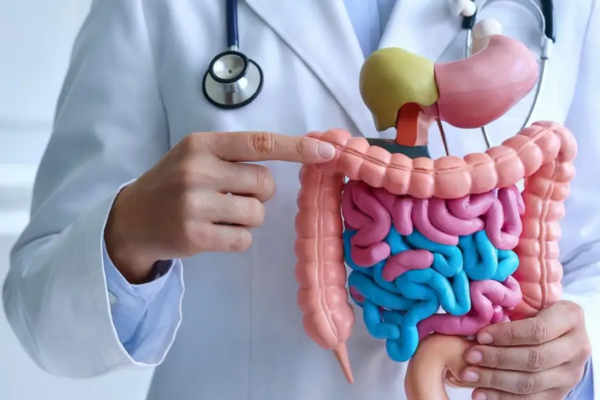
What is Medical Gastroenterology Care?
Our Medical Gastroenterology department is specifically equipped to address these regional health challenges. We utilize advanced, non-surgical techniques and highly targeted medications to heal the lining of your gut, reverse liver damage, and restore your body’s natural ability to absorb the nutrients it needs to thrive.
GERD, commonly known as severe acid reflux or chronic heartburn, occurs when the highly acidic digestive juices from your stomach repeatedly flow backward into your esophagus (food pipe).
The lining of the esophagus is not designed to handle this acid, leading to a burning sensation in the chest, a sour taste in the back of the mouth, persistent dry coughs, and difficulty swallowing. It is extremely common among adults in Panipat due to late-night eating and spicy diets.
How We Treat It At IPIMS, we focus on aggressively healing the damaged esophageal lining and preventing dangerous long-term complications like esophageal strictures or pre-cancerous changes.
- Upper GI Endoscopy: We perform a painless, 10-minute Diagnostic Endoscopy under mild sedation to visually inspect the exact severity of the acid burns in your food pipe. [Link: Laboratory & Diagnostic Services]
- Proton Pump Inhibitors (PPIs): The first line of medical defense involves prescribing highly effective, targeted Acid-Suppressing Medications that give your esophagus the crucial time it needs to heal naturally.
- Dietary and Lifestyle Counseling: Our clinical nutritionists provide you with a customized, easy-to-follow meal plan, heavily emphasizing trigger-food avoidance and safe eating schedules.
- Surgical Referral: In exceedingly severe, medication-resistant cases where the stomach valve is completely weakened, we coordinate seamlessly with our surgical team for a Laparoscopic Fundoplication to mechanically tighten the valve. General Surgery Department
Peptic ulcers are painful, open sores that develop on the inner lining of your stomach or the upper portion of your small intestine (duodenum). Contrary to popular belief, they are rarely caused by stress alone; they are most commonly caused by a stubborn bacterial infection called Helicobacter pylori (H. pylori) or the long-term overuse of common pain relievers (NSAIDs).
Patients suffer from a gnawing, burning stomach pain that often worsens at night or when the stomach is empty, accompanied by bloating and nausea.
How We Treat It Our treatment is highly targeted to eradicate the root cause and physically protect the stomach lining so the deep ulcers can close.
- H. pylori Testing & Eradication: During an endoscopy, we take a microscopic tissue sample (biopsy) to test for H. pylori. If positive, we prescribe a highly specific, 14-day Triple Therapy Antibiotic Regimen to completely kill the bacteria.
- Mucosal Protective Agents: We utilize specialized oral medications that coat and securely shield the open ulcer from harsh stomach acids.
- Endoscopic Hemostasis: If an ulcer has eroded into a blood vessel and is actively bleeding (a medical emergency), we perform an emergency Endoscopic Clipping or Adrenaline Injection to physically pinch the bleeding vessel shut and stop the hemorrhage instantly.
- Ongoing Monitoring: We routinely schedule a follow-up endoscopy after 6 to 8 weeks to visually confirm that the ulcer has healed perfectly and is not malignant.
Irritable Bowel Syndrome is a highly frustrating, chronic functional disorder of the large intestine. While it does not cause permanent physical damage or inflammation to the bowel tissue, it drastically alters how the gut muscles contract and communicate with the brain.
Patients experience a devastating cycle of severe abdominal cramping, intense bloating, excess gas, and unpredictable bouts of urgent diarrhea, chronic constipation, or both. IBS is heavily triggered by emotional stress and specific food sensitivities.
How We Treat It We take a deeply empathetic, highly personalized approach, recognizing that no two IBS patients have the exact same triggers.
- Diagnostic Exclusion: We first run comprehensive stool tests and perform a Colonoscopy to absolutely rule out more dangerous conditions like IBD or colon cancer.
- FODMAP Diet Modification: Our dietitians guide you through a highly structured Low-FODMAP Diet, systematically eliminating and reintroducing specific fermentable carbohydrates to pinpoint your exact food triggers.
- Gut Antispasmodics: We prescribe specialized Antispasmodic Medications that safely relax the hyperactive muscles in the intestinal wall, rapidly relieving the painful cramping and urgency.
- Neuromodulators: For severe, highly sensitive guts, we frequently use low-dose Neuromodulators to calm the misfiring nerve signals between the brain and the digestive tract, significantly reducing the perception of pain.
Unlike IBS, Inflammatory Bowel Disease (IBD) involves chronic, severe physical inflammation and destructive ulceration of the digestive tract lining. It includes two primary conditions: Ulcerative Colitis (affecting only the colon) and Crohn’s Disease (which can attack any part of the digestive tract from mouth to anus).
It is an autoimmune condition where the body mistakenly attacks its own gut. Patients suffer from crippling abdominal pain, profound weight loss, chronic fatigue, and frequent, bloody diarrhea.
How We Treat It Our goal is aggressive disease modification—we aim to rapidly induce absolute clinical remission and heal the gut lining to prevent future surgeries.
- Endoscopic Biopsy & Imaging: We utilize advanced Colonoscopy and Capsule Endoscopy (swallowing a pill-sized camera) to precisely map the exact location and severity of the destructive inflammation.
- Corticosteroid Therapy: During an acute, severe flare-up, we rapidly administer Intravenous or Oral Corticosteroids to powerfully suppress the immune system and quickly halt the destructive inflammation.
- Immunomodulators & Biologics: The cornerstone of our long-term maintenance involves prescribing state-of-the-art Biologic Therapies (like Infliximab). These targeted IV infusions block the specific proteins causing the gut inflammation, allowing for deep, long-lasting mucosal healing.
- Nutritional Rehabilitation: Because IBD severely limits nutrient absorption, we heavily utilize customized Enteral Nutrition formulas and vitamin infusions to safely rebuild the patient’s physical strength.
The liver is the body’s primary chemical factory. Chronic Hepatitis is the long-term inflammation of the liver, most commonly caused by Hepatitis B or C viruses, heavy alcohol consumption, or fat accumulation. Over years, this relentless inflammation causes the soft liver tissue to be replaced by hard, permanent scar tissue—a condition known as Cirrhosis.
In advanced stages, the failing liver cannot filter toxins, leading to severe jaundice (yellow skin), abdominal fluid buildup (ascites), profound confusion, and life-threatening internal bleeding.
How We Treat It Liver care at IPIMS focuses on halting the progression of scarring and aggressively managing the dangerous complications of a failing liver.
- Non-Invasive Liver Staging: We utilize advanced FibroScan Technology to instantly and painlessly measure the exact stiffness and degree of scarring in your liver without needing a surgical needle biopsy.
- Targeted Antiviral Therapy: For viral Hepatitis B or C, we prescribe highly effective, modern Direct-Acting Antivirals (DAAs) that can frequently cure the viral infection entirely in 8 to 12 weeks.
- Ascites Management (Paracentesis): When the abdomen becomes painfully swollen with trapped fluid, we perform a safe, ultrasound-guided Therapeutic Paracentesis to drain the fluid, immediately relieving pressure on the lungs and stomach.
- Variceal Screening & Banding: Cirrhosis causes blood to back up, creating swollen, dangerous veins (varices) in the esophagus. We perform a preventative Endoscopic Variceal Ligation (EVL), placing tiny rubber bands over these veins to prevent them from bursting and causing fatal bleeding.
The gallbladder is a small pouch beneath the liver that stores bile (a digestive fluid). Gallstones are hardened, pebble-like deposits of cholesterol or bilirubin that form inside this pouch. While many remain silent, a stone can easily slip into and block the common bile duct.
This causes agonizing, sudden pain in the upper right abdomen that radiates to the back, often accompanied by severe vomiting, high fever, and sudden jaundice.
How We Treat It We utilize highly advanced, non-surgical endoscopic techniques to clear life-threatening bile duct blockages rapidly.
- Diagnostic MRCP: We utilize our advanced MRI suite to perform an MRCP (Magnetic Resonance Cholangiopancreatography), which perfectly maps the biliary tree and locates the exact position of the hidden stones. [Link: Radiology & Imaging Department]
- ERCP (Endoscopic Retrograde Cholangiopancreatography): This is our primary, advanced treatment for duct blockages. Our highly skilled gastroenterologist guides a specialized endoscope down to the bile duct opening, uses tiny instruments to crush or sweep the stones out of the duct, and restores normal bile flow instantly without open surgery.
- Biliary Stenting: If a stricture (narrowing) or tumor is blocking the duct, we securely place a tiny plastic or metal Biliary Stent during the ERCP to keep the channel permanently open.
- Surgical Coordination: Once the acute duct blockage is cleared, we seamlessly refer the patient to our general surgeons for a routine Laparoscopic Cholecystectomy to safely remove the diseased gallbladder and prevent future stones.
The pancreas is a vital gland located behind the stomach, responsible for producing insulin and powerful digestive enzymes. Pancreatitis occurs when these enzymes mistakenly activate while still inside the pancreas, causing the organ to essentially begin digesting itself. Acute Pancreatitis is sudden and violently painful, most often triggered by migrating gallstones or heavy alcohol use. Chronic Pancreatitis is long-term, irreversible damage leading to chronic pain, severe malnutrition, and secondary diabetes.
How We Treat It Pancreatitis requires immediate, intensive medical management to allow the violently inflamed organ to rest and heal.
- Aggressive IV Fluid Resuscitation: The absolute first step in acute pancreatitis is massive, carefully monitored Intravenous Hydration to maintain vital blood flow to the pancreas and prevent sudden kidney failure.
- Bowel Rest & Pain Management: We enforce strict “nil per os” (nothing by mouth) protocols to stop the pancreas from working, while administering powerful, round-the-clock intravenous pain relief.
- Nutritional Support: For severe cases lasting several days, we bypass the stomach entirely and provide essential nutrients through a specialized Nasojejunal (NJ) Feeding Tube directly into the lower intestine.
- Endoscopic Cyst Drainage: Severe pancreatitis can cause large, painful fluid pockets (pseudocysts) to form. Using Endoscopic Ultrasound (EUS), we safely insert a stent through the stomach wall directly into the cyst to drain the toxic fluid internally, avoiding complex open surgery.
A GI bleed is a profound medical emergency. It can occur anywhere in the digestive tract. Upper GI bleeds (from the esophagus, stomach, or duodenum) often present as vomiting bright red blood (Hematemesis) or passing dark, tarry, foul-smelling stools (Melena).
Lower GI bleeds (from the colon or rectum) typically present as bright red blood from the rectum (Hematochezia). Causes range from bursting liver varices and deep peptic ulcers to colon polyps and severe hemorrhoids.
How We Treat It Time is critical. Our 24/7 gastroenterology emergency team is trained to stabilize the patient and stop the bleeding at the absolute source within minutes.
- Hemodynamic Resuscitation: We immediately stabilize the patient’s plummeting blood pressure using rapid IV fluids and emergency Blood Transfusions in our intensive care unit.
- Emergency Therapeutic Endoscopy: Within hours of arrival, we perform an urgent upper endoscopy or colonoscopy. Using specialized tools through the scope, we physically stop the bleeding using Thermal Coagulation (burning the vessel), Endoscopic Hemoclips (metal clamps), or Adrenaline Injections.
- Variceal Banding (EVL): For massive bleeding caused by liver cirrhosis, we instantly deploy rubber bands to tightly choke off the bursting esophageal varices.
- Angiographic Embolization: If endoscopic methods fail, we immediately coordinate with our interventional radiologists to selectively block the bleeding artery from the inside using microscopic metallic coils.
While everyone experiences occasional bowel irregularity, chronic constipation (infrequent, severely painful, hard stools) or chronic diarrhea (frequent, urgent, loose stools lasting weeks) are signs of an underlying functional or structural gut issue.
These conditions drastically reduce a patient’s quality of life, causing painful hemorrhoids, anal fissures, severe dehydration, and immense social anxiety.
How We Treat It We systematically investigate the root cause, moving far beyond simple over-the-counter laxatives or anti-diarrheal pills.
- Comprehensive Motility Testing: For severe, stubborn constipation, we perform advanced Colonic Transit Studies and Anorectal Manometry to precisely measure how slowly the colon moves and whether the pelvic floor muscles are coordinating correctly during a bowel movement.
- Osmotic & Secretory Laxatives: For chronic constipation, we prescribe highly safe, non-habit-forming Osmotic Laxatives that pull water into the colon, alongside specialized medications that stimulate natural gut secretions.
- Biofeedback Therapy: If the pelvic floor muscles are spasming or failing to relax, we utilize focused Biofeedback Physical Therapy to literally retrain the muscles how to properly push and evacuate stool.
- Targeted Anti-Diarrheals & Bile Acid Sequestrants: For chronic diarrhea, we aggressively treat hidden bacterial overgrowth (SIBO), modify the diet, or prescribe specific medications that bind excess bile acids in the gut to immediately solidify the stool.
Cancers of the esophagus, stomach, pancreas, liver, and colon are among the most deadly worldwide because they often show absolutely zero symptoms until they are in highly advanced stages. When symptoms finally do appear—such as unexplained massive weight loss, difficulty swallowing solid foods, vomiting blood, or pencil-thin stools—immediate, highly aggressive intervention is absolutely mandatory.
How We Treat It Our focus is fiercely placed on early endoscopic detection, safely removing pre-cancerous growths, and coordinating comprehensive oncology care.
- Screening Colonoscopy & Polypectomy: Colon cancer almost always begins as a harmless, tiny mushroom-like growth called a polyp. During a routine Screening Colonoscopy, our doctors visually hunt for these polyps and perform an immediate Endoscopic Polypectomy, using a tiny wire snare to painlessly cut and remove them, entirely preventing colon cancer from ever forming.
- Endoscopic Mucosal Resection (EMR): If an early-stage, superficial cancer is found in the stomach lining or colon, our highly skilled endoscopists can perform an advanced EMR to delicately shave off and remove the cancerous tissue from the inside, often avoiding major open surgery.
- Palliative Endoscopic Stenting: For highly advanced, inoperable cancers that are physically blocking the esophagus, stomach outlet, or bile ducts, we safely place expandable Self-Expanding Metal Stents (SEMS) to open the blockage, instantly restoring the patient’s ability to eat comfortably and drastically improving their quality of life.
Multidisciplinary Tumor Board: All cancer cases are immediately presented to our comprehensive Tumor Board, ensuring a seamless, coordinated transfer to our surgical oncology and chemotherapy departments for definitive, life-saving treatment.
Our Medical Gastroenterology Services in Panipat
Advanced Diagnostic Endoscopy & Imaging
- Upper GI Endoscopy (OGD): A thin, flexible camera is gently passed through the mouth to clearly visualize the esophagus, stomach, and upper small intestine for accurate diagnosis.
- Colonoscopy: A specialized flexible camera is used to examine the entire large intestine and rectum, making it the gold standard for detecting colon diseases and cancer.
- Endoscopic Ultrasound (EUS): Combines endoscopy with ultrasound to capture detailed images of internal organs like the pancreas, bile ducts, and surrounding tissues.
- Capsule Endoscopy: A small, pill-sized wireless camera is swallowed to take thousands of images as it travels through the small intestine—areas not reachable by traditional scopes.
- FibroScan (Transient Elastography): A completely painless, non-invasive test that measures liver stiffness and fat content, helping assess liver health without biopsy.
Therapeutic & Interventional Endoscopy
- Endoscopic Polypectomy: A painless procedure to immediately remove pre-cancerous polyps from the stomach or colon using advanced endoscopic tools.
- Variceal Ligation & Sclerotherapy: Specialized techniques using bands or injections to control and prevent dangerous bleeding from enlarged liver veins.
- Stricture Dilatation: A precise procedure using tiny balloons to gently widen a narrowed food pipe (esophagus), restoring the ability to swallow comfortably.
- Foreign Body Removal: Emergency endoscopic removal of accidentally swallowed objects like coins, bones, or food blockages from the esophagus safely and quickly.
- Peg Tube Placement (Percutaneous Endoscopic Gastrostomy): Safe insertion of a feeding tube directly into the stomach for patients who cannot swallow due to stroke or severe illness.
Why Patients in Panipat Trust IPIMS for Digestive & Liver Care
Your digestive health directly impacts your energy, immunity, and overall well-being. At IPIMS Hospital, we combine advanced medical expertise with compassionate care to deliver the best outcomes for every patient.
- 24/7 GI Bleed Emergency Care — Internal bleeding in the stomach or intestines requires immediate attention. Our endoscopy units, ICU, and blood bank are fully operational round-the-clock for life-saving care.
- Advanced Endoscopy Technology — We use high-definition Olympus and Pentax systems capable of detecting even the smallest pre-cancerous changes that standard scopes may miss.
- Painless, Sedation-Based Procedures — All endoscopic procedures are performed under monitored sedation, ensuring a completely comfortable, pain-free experience.
- Expert Gastro & Liver Specialists — Our team includes highly experienced gastroenterologists and hepatologists skilled in managing complex digestive and liver conditions.
- Complete In-House Diagnostics — From stool tests and liver profiles to advanced imaging like MRCP, everything is available under one roof for faster diagnosis.
- Transparent & Affordable Pricing — We follow a clear and ethical pricing structure with no hidden charges, ensuring complete financial transparency.
- Insurance & Ayushman Bharat Accepted — We accept major insurance plans along with Ayushman Bharat, CGHS, and ECHS for accessible and stress-free treatment.
- Prime GT Road Location — Conveniently located on NH-44, making it easily accessible for patients from nearby cities and towns.
Your Digestive Health Journey at IPIMS
We have carefully designed every step of your journey to reduce anxiety, ensure privacy, and provide complete clarity throughout your treatment.
Book Your Appointment
Schedule your visit easily via our website, WhatsApp, phone call, or by walking into our hospital on GT Road at your convenience.
Detailed Initial Consultation
Your gastroenterologist will carefully listen to your symptoms, review your dietary habits, and perform a gentle abdominal examination.
Targeted In-House Diagnostics
If required, you will be guided for blood or stool tests, ultrasound, or FibroScan within our facility for quick and accurate results.
Endoscopy (If Required)
Our team will provide clear preparation instructions. On the procedure day, you will be comfortably sedated in our sterile endoscopy suite.
Diagnosis & Treatment Plan
Your doctor will explain your condition with visual reports and guide you with a personalized treatment, medication, or diet plan.
Follow-up & Nutritional Support
Our care continues after treatment with dietitian guidance, lifestyle support, and scheduled follow-ups for long-term digestive health.
When Should You See a Gastroenterologist in Panipat?
Digestive issues are often ignored as minor discomfort, but some symptoms can indicate serious underlying conditions. Recognizing the difference early can help prevent complications and ensure timely treatment.
- Persistent heartburn or acid reflux requiring frequent medication
- Chronic bloating, excessive gas, or feeling full after small meals
- Long-term changes in bowel habits like diarrhea or constipation lasting over two weeks
- Dull or persistent pain in the upper abdomen (possible liver or gallbladder issues)
- Unexplained weight loss, fatigue, or loss of appetite
- Difficulty swallowing or sensation of food getting stuck in the chest
- Vomiting blood or dark material resembling coffee grounds
- Black, tarry stools or visible blood in stool
- Sudden, severe abdominal pain that prevents movement
- Yellowing of skin or eyes (jaundice)
- Severe abdominal swelling or rigidity
Gastro & GI Bleed Emergency at IPIMS — 24/7
📞 Emergency: 0180 66 55 000
💬 WhatsApp: +91 70566 67979Frequently Asked Questions — Medical Gastroenterology at IPIMS Panipat
Visit IPIMS Medical Gastroenterology Panipat
A healthy digestive system is the foundation of a happy, energetic life. Do not let chronic stomach pain, severe acidity, or liver issues disrupt your routine. Trust our expert team for accurate diagnosis and effective treatment.
📍 Address
IPIMS Hospital, Main G.T. Road, Panipat, Haryana
🕘 OPD Hours
Monday to Saturday: 9:00 AM – 5:00 PM
🚨 GI Emergency & Trauma
24/7, 365 Days a Year
📞 Call
+91 70566 67979
+91 70566 67979