
Gynaecology & Obstetrics Department
Women’s health is deeply personal, and finding a medical team you can trust with your most sensitive concerns is crucial. At the Gynaecology Department in Panipat at IPIMS Hospital, we understand that whether you are a teenager experiencing your first menstrual cycle, a mother navigating a high-risk pregnancy, or a woman transitioning through menopause, your healthcare needs are unique and constantly evolving.
Conveniently located on the Main GT Road, our facility is recognized as a leading Gynaecology hospital in Panipat, providing compassionate, world-class healthcare to women across Haryana. We have built an ecosystem of care where advanced medical technology meets unparalleled human empathy. With our highly experienced team of specialists, state-of-the-art diagnostic equipment, and all-under-one-roof care, we ensure that you never have to travel far for the expert treatment you deserve.
At IPIMS Hospital, we are dedicated to listening to your concerns, providing accurate diagnoses, and tailoring treatments to your lifestyle.
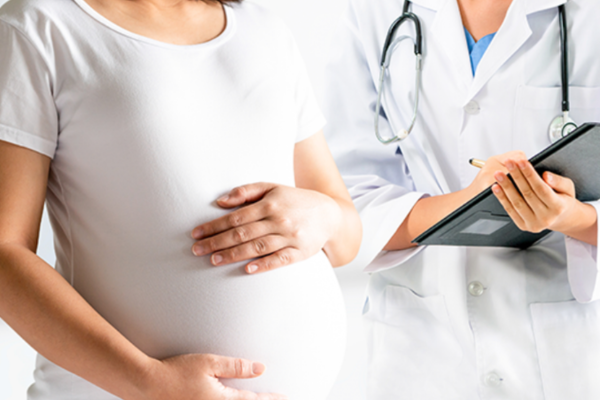
What is Gynaecology Care?
Our specialists are trained to handle a vast spectrum of health problems. This includes routine preventive care like Pap smears and pelvic exams, managing hormonal imbalances like thyroid issues and PCOD, treating severe infections, guiding couples through family planning, and performing intricate, life-saving surgeries for benign and malignant tumours. In North India, particularly in regions across Haryana, women often ignore their health due to family responsibilities or hesitation in discussing private matters. Statistics show that conditions like severe anaemia, ignored menstrual disorders, and advanced-stage pelvic infections are alarmingly common in our region. Our goal at IPIMS is to break this stigma. We provide a safe, private, and deeply respectful environment where women from Panipat, Karnal, Sonipat, and surrounding villages can comfortably seek the help they need before a minor discomfort turns into a major health crisis.
Our orthopaedic team is trained to diagnose and treat a wide range of bone, joint, and soft-tissue conditions. Here are the most common problems we treat:
PCOS is one of the most common hormonal disorders affecting women of reproductive age. It occurs when the ovaries produce abnormal amounts of androgens (male sex hormones), leading to the formation of small fluid-filled sacs (cysts) on the ovaries.
Women suffering from this condition often experience irregular menstrual cycles, unexplained weight gain, severe acne, and excess facial or body hair. Because it deeply affects metabolism, PCOS is also a leading cause of preventable infertility and increases the risk of type 2 diabetes if left unmanaged.
How We Treat It: At IPIMS, we take a multi-disciplinary approach to PCOS. Since there is no single cure, treatment focuses on managing your specific symptoms.
- Conservative Care: We begin with lifestyle modifications. We collaborate closely with our design personalized weight-loss and exercise plans, which can drastically improve hormonal balance.
- Medical Management: We prescribe specialized hormonal birth control pills or progestin therapy to regulate menstrual cycles and clear acne. For patients experiencing insulin resistance, medications like Metformin are introduced.
- Fertility Support: If you are trying to conceive, we use ovulation-induction medications like Clomiphene to help stimulate the ovaries.
- Outcome: With our guided treatment, most women successfully manage their symptoms, achieve regular cycles within 3 to 6 months, and go on to have healthy pregnancies.
Menstrual disorders encompass a wide range of issues, including extremely heavy bleeding (Menorrhagia), absence of periods (Amenorrhea), severely painful cramps (Dysmenorrhea), and highly irregular cycles. These can be debilitating, causing missed days at work or school, chronic fatigue due to blood loss (anaemia), and severe emotional distress.
While occasional irregularities are normal, chronic pain or bleeding that requires changing pads every hour is a clear sign that medical intervention is needed.
How We Treat It: Our first step is to identify the root cause using our advanced, in-house high-resolution pelvic ultrasound and comprehensive hormonal blood panels.
- Conservative Care: Mild to moderate cases are usually treated with Nonsteroidal Anti-inflammatory Drugs (NSAIDs) to reduce pain, alongside oral contraceptives or hormonal IUDs (like Mirena) to lighten and regulate the bleeding. We also prescribe iron supplements to combat anaemia.
- Minimally Invasive Procedures: If medication fails, we may recommend Endometrial Ablation, a quick procedure to gently remove the lining of the uterus to significantly reduce heavy flow. For structural issues like polyps causing the bleeding, we perform a Hysteroscopic Polypectomy.
- Outcome: Patients typically experience immediate relief from severe cramping and a return to manageable, predictable cycles within 1 to 2 months, dramatically improving their daily quality of life.
Endometriosis is an often painful disorder where tissue similar to the tissue that normally lines the inside of your uterus (the endometrium) grows entirely outside the uterus.
This misplaced tissue can cover the ovaries, fallopian tubes, and the tissue lining your pelvis. With each menstrual cycle, this tissue thickens, breaks down, and bleeds, but because it has no way to exit the body, it becomes trapped, causing severe pelvic pain, deep scarring (adhesions), and often infertility.
How We Treat It: Endometriosis requires highly specialized care.
- Conservative Care: We start with pain management using targeted medications and continuous hormone therapy (to stop menstruation entirely and prevent the tissue from growing).
- Surgical Treatment: For severe pain or when fertility is threatened, our expert surgeons perform Laparoscopic Excision Surgery. Using tiny incisions and a camera, we meticulously cut away the endometrial implants and scar tissue while preserving the healthy uterus and ovaries. In the most severe, untreatable cases where childbearing is complete, a Total Laparoscopic Hysterectomy may be discussed as a final resort.
- Outcome: Laparoscopic recovery takes about 1 to 2 weeks. Patients generally report a massive reduction in chronic pelvic pain and, if applicable, significantly improved chances of natural conception post-surgery.
Uterine fibroids, commonly referred to locally as Bache Dani ki Rasouli, are non-cancerous growths of the uterus that often appear during childbearing years. They can range in size from a small seed to a bulky mass that distorts and enlarges the uterus.
Many women experience no symptoms, but for others, fibroids cause immense pelvic pressure, heavy menstrual bleeding, frequent urination, backache, and sometimes severe constipation.
How We Treat It: Treatment depends on the size of the rasouli, your symptoms, and your desire for future pregnancies.
- Conservative Care: Small, asymptomatic fibroids are simply monitored through regular ultrasounds. For symptom relief, we use medications like Gonadotropin-releasing hormone (GnRH) agonists to shrink the fibroids temporarily and stop heavy bleeding.
- Surgical Options: If you wish to preserve your fertility, we perform a Myomectomy (surgical removal of just the fibroids), often using minimally invasive laparoscopic techniques. For women who are done having children and want a permanent solution to severe symptoms, we offer Hysterectomy (removal of the uterus), frequently utilizing state-of-the-art robotic-assisted or laparoscopic methods to minimize scarring.
- Outcome: Minimally invasive surgeries allow patients to return home within 24–48 hours, with full recovery in 2 to 4 weeks. Symptoms like heavy bleeding and pelvic pressure are completely eliminated.
Pelvic Inflammatory Disease (PID) is a serious infection of the female reproductive organs. It most often occurs when sexually transmitted bacteria spread from your vagina to your uterus, fallopian tubes, or ovaries. However, it can also develop after childbirth, miscarriage, or certain medical procedures.
Symptoms include deep lower abdominal pain, heavy and unusually foul-smelling vaginal discharge, fever, and pain during intercourse. If left untreated, PID can cause permanent damage, leading to chronic pelvic pain and dangerous ectopic pregnancies.
How We Treat It: Early and aggressive treatment is vital to prevent irreversible damage to the reproductive system.
- Conservative Care: The primary treatment is a targeted, broad-spectrum course of oral or intravenous (IV) antibiotics. We often admit severe cases to the hospital for close monitoring, IV fluids, and powerful IV antibiotics. We strictly advise that any partners also be tested and treated simultaneously to prevent reinfection.
- Surgical Intervention: Surgery is rarely needed but may be necessary if an abscess (a collection of pus) forms on the ovaries or fallopian tubes and threatens to rupture. In such emergencies, we perform a Laparoscopic Drainage to clear the infection.
Outcome: With prompt antibiotic therapy, the infection clears within 10 to 14 days. Early treatment ensures that the delicate fallopian tubes remain open, preserving the patient’s fertility.
Infertility, often heartbreaking for couples, is defined as the inability to conceive after one year of regular, unprotected intercourse. Female infertility can be caused by a multitude of factors, including ovulation disorders (like PCOD), blocked fallopian tubes, uterine abnormalities, endometriosis, or premature ovarian failure. The emotional toll is immense, and our team approaches this diagnosis with the utmost sensitivity, confidentiality, and clinical rigor.
How We Treat It: We offer a step-by-step, comprehensive fertility workup for both partners.
- Diagnostic Phase: We utilize blood tests to check ovarian reserves, advanced ultrasounds to inspect the uterus, and Hysterosalpingography (HSG) to ensure the fallopian tubes are open.
- Medical & Surgical Treatments: Depending on the diagnosis, we may start with ovulation-stimulating medications (like Letrozole) combined with timed intercourse. If structural issues like fibroids, polyps, or blocked tubes are the cause, we perform corrective Laparoscopic or Hysteroscopic Surgery to restore normal anatomy.
- Advanced Support: If conservative methods are unsuccessful, we guide couples through Assisted Reproductive Technology (ART) options and coordinate closely with specialized IVF centers.
- Outcome: Many couples at IPIMS successfully conceive through medication or minor corrective surgeries alone, bypassing the need for complex IVF procedures.
Menopause marks the natural end of a woman’s menstrual cycles, diagnosed after 12 consecutive months without a period. Perimenopause is the transitional phase leading up to it.
During this time, fluctuating estrogen and progesterone levels can cause a cascade of disruptive symptoms, including severe hot flashes, night sweats, mood swings, vaginal dryness, sleep disturbances, and an increased risk of osteoporosis (bone thinning) and cardiovascular disease.
How We Treat It: Our goal is to optimize your comfort and long-term health as your body transitions.
- Conservative Care: We provide comprehensive lifestyle counseling focusing on bone health, advising on calcium/vitamin D intake, and weight-bearing exercises. We also offer non-hormonal medications to manage hot flashes and mood swings.
- Hormone Replacement Therapy (HRT): For severe symptoms that drastically impact daily life, we prescribe carefully tailored HRT. This involves providing low doses of estrogen (and progestin, if the uterus is present) via pills, patches, or creams to stabilize hormone levels.
- Local Treatments: We provide localized estrogen creams or lubricants to specifically target vaginal dryness and discomfort.
- Outcome: Proper management dramatically reduces hot flashes and sleep disruptions within weeks, while long-term care helps prevent severe bone density loss as you age.
A high-risk pregnancy is one that threatens the health or life of the mother or her fetus. This can be due to pre-existing maternal conditions (such as high blood pressure, diabetes, thyroid disorders, or autoimmune diseases), advanced maternal age (over 35), carrying multiples (twins or triplets), or complications arising during the pregnancy itself (like preeclampsia, gestational diabetes, or a shortened cervix).
How We Treat It: High-risk pregnancies require intense, specialized monitoring at a fully equipped hospital.
- Comprehensive Monitoring: At IPIMS, you are closely monitored through frequent, detailed prenatal visits. We utilize advanced Targeted TIFFA Ultrasounds and Fetal Doppler imaging to meticulously track the baby’s growth and blood flow.
- Medical Management: We aggressively manage underlying maternal conditions, coordinating with the team to keep blood sugar and blood pressure perfectly stable. We may administer medications to prevent premature labor or steroid injections to accelerate fetal lung development if early delivery is anticipated.
- Surgical/Delivery Planning: We develop a highly detailed birth plan. If a vaginal delivery is deemed unsafe, our expert obstetric surgeons perform a planned, highly controlled Cesarean Section (C-Section).
- Outcome: With rigorous monitoring and our Level III NICU backup, we maximize the chances of safely carrying the pregnancy to term and ensuring the delivery of a healthy baby.
Ovarian cysts are fluid-filled sacs or pockets that develop on or inside an ovary. Most cysts are completely normal, forming as a natural part of the menstrual cycle (functional cysts), and cause no symptoms. However, some cysts can grow unusually large, become painfully twisted (ovarian torsion), or rupture, causing sudden, sharp, and severe lower abdominal pain, bloating, and sometimes nausea.
How We Treat It: Treatment is dictated by the cyst’s size, its appearance on an ultrasound, and the severity of your symptoms.
- Conservative Care: For small, simple cysts in premenopausal women, we recommend “watchful waiting,” repeating the ultrasound in 1 to 3 months to see if the cyst resolves on its own. We prescribe pain relievers to manage any mild discomfort.
- Surgical Treatment: If a cyst is large, solid, rapidly growing, causing intense pain, or suspected to be complex, surgery is necessary. We perform a Laparoscopic Cystectomy, a highly precise, minimally invasive procedure to carefully extract the cyst while leaving the healthy ovarian tissue intact.
- Outcome: Laparoscopic surgery offers a rapid recovery of about 1 to 2 weeks. Removing problematic cysts immediately eliminates the pain and prevents life-threatening complications like ovarian torsion.
Vaginal infections are extremely common and can cause significant discomfort. Conditions like Bacterial Vaginosis, Yeast Infections (Candidiasis), and Trichomoniasis often present with abnormal, heavy discharge, intense itching, burning during urination, and a strong, unpleasant odor. While often not dangerous, chronic infections can severely disrupt daily life and intimacy, and if left untreated, some can ascend and cause Pelvic Inflammatory Disease.
How We Treat It: Accurate diagnosis is the key to stopping recurrent infections.
- Diagnostic Phase: We take vaginal swabs and analyze them in our advanced in-house pathology lab to pinpoint the exact bacteria, yeast, or parasite causing the issue.
- Targeted Treatment: We prescribe highly specific oral antibiotics, antifungal pills, or medicated vaginal suppositories and creams. We explicitly avoid generic “broad-spectrum” treatments that can wipe out healthy vaginal flora. We also educate patients on proper intimate hygiene, avoiding harsh soaps, and wearing breathable cotton clothing to prevent recurrence.
- Outcome: Most acute infections are completely cleared within 3 to 7 days of targeted treatment, providing immediate relief from burning and itching.
Our Gynaecology Services in Panipat
Diagnostic Services
- Advanced Ultrasound Imaging (3D/4D & Transvaginal): Used for highly detailed, real-time visualization of the uterus, ovaries, and fetal development, ensuring no cyst, fibroid, or anomaly is missed.
- Digital Mammography & Breast Ultrasounds: Essential for early detection of breast lumps, cysts, and breast cancer screening.
- Colposcopy & Cervical Biopsy: A magnified visual examination of the cervix to detect precancerous lesions early and accurately.
- Comprehensive Hormonal & Pathology Panels: In-house lab testing for precise evaluation of thyroid function, prolactin levels, ovarian reserves, and targeted infection swabbing.
- Hysteroscopy (Diagnostic): Passing a tiny camera into the uterus to find the exact cause of abnormal bleeding or repeated miscarriages.
Surgical & Non-Surgical Treatments
- Laparoscopic Surgeries (Keyhole Surgery): We specialize in Laparoscopic Hysterectomy (removal of the uterus), Myomectomy (fibroid removal), and Cystectomy (ovarian cyst removal). These result in tiny scars, minimal blood loss, and a rapid return to normal activities.
- Hysteroscopic Surgeries: Corrective procedures performed entirely through the vagina without any external incisions, used to remove polyps, small fibroids, or correct uterine septums.
- Pelvic Floor Reconstruction: Highly specialized surgeries to treat severe pelvic organ prolapse and urinary incontinence.
- Family Planning & Contraception: Expert counseling and medical insertion of IUDs (Copper-T, Mirena), hormonal implants, or permanent sterilization (tubal ligation).
- Adolescent Gynaecology: Specialized, sensitive care for teenagers experiencing delayed puberty, painful early periods, or PCOS.
Why Patients in Panipat Trust IPIMS for Gynaecology Care
Choosing the right hospital for women’s health is a major decision. Here is why IPIMS Hospital is the preferred Gynaecology hospital in Panipat:
- Advanced Technology & Infrastructure — We are equipped with highly advanced 3D/4D ultrasound machines, fully modular operation theatres, and state-of-the-art laparoscopy towers for precision surgery.
- 24/7 Emergency & Maternity Availability — Medical emergencies don't wait. Whether it’s severe bleeding, sudden pelvic pain, or emergency delivery, our team is available round-the-clock. (Call: 0180 66 55 000).
- Experienced and Qualified Specialists — Our team is led by [Doctor Name], bringing [XX Years Experience] from prestigious institutions like [Institute Name].
- 100% In-House Diagnostics — From routine blood work to complex imaging, all diagnostic tests are done on-site, providing you with same-day reports and zero running around.
- Transparent, Affordable Pricing — We believe world-class healthcare should not cause financial ruin. We provide clear, upfront cost estimates with absolutely no hidden charges.
- Ayushman Bharat & Insurance Acceptance — We proudly accept Ayushman Bharat, CGHS, ECHS, and partner with all major private health insurance TPAs for cashless treatments.
- Prime GT Road Location — Easily accessible for patients traveling from Panipat City, Karnal, Sonipat, Samalkha, Israna, Madlauda, and Kaithal.
- Bilingual & Compassionate Care — We explain your diagnosis and treatment options clearly in both Hindi and English, ensuring you fully understand your health journey without medical jargon.
Your Gynaecology Treatment Journey at IPIMS
We know that visiting a hospital can be anxiety-inducing. We have streamlined our patient journey to ensure your experience is smooth, private, and stress-free.
Book Your Appointment
You can easily schedule your visit via our website, by calling +91 70566 67979, through a quick WhatsApp message, or by simply walking into our OPD on GT Road.
Initial Consultation
During your private consultation, your doctor will listen attentively to your symptoms, review your medical history, and may perform a gentle physical or pelvic examination to understand your concerns.
In-House Diagnostics
If blood tests or an ultrasound are required, you will be directed to our diagnostic wing on the same floor. Reports are generated quickly, often on the same day.
Diagnosis & Treatment Plan
Your doctor will explain your test results in plain language. Together, you will discuss all viable treatment options—starting with the most conservative approaches first—and finalize a care plan that suits you.
Treatment / Surgery / Procedure
Whether you are prescribed a medication regimen or scheduled for a laparoscopic procedure, our nursing and surgical teams will ensure you are comfortable, safe, and fully informed every step of the way.
Recovery, Rehabilitation & Follow-up
Post-treatment, we provide detailed discharge instructions, dietary advice, and schedule follow-up appointments to monitor your recovery and ensure long-term well-term success.
When Should You See a Gynaecologist in Panipat?
Women should ideally visit a gynaecologist annually for preventive screenings. However, certain symptoms require specific medical attention. Do not ignore your body’s warning signs.
- Irregular, exceptionally heavy, or missed menstrual cycles
- Unexplained pelvic pain, lower backache, or a feeling of heaviness in the lower abdomen
- Pain or discomfort during sexual intercourse
- Unusual vaginal discharge, accompanied by itching, redness, or a foul odor
- Difficulty conceiving after a year of trying
- Severe mood swings, hot flashes, or sleep issues associated with menopause
- Spotting or bleeding between periods, or any bleeding after menopause
- Frequent urination or accidental leakage of urine when coughing or sneezing
- Sudden, excruciatingly sharp pelvic or lower abdominal pain
- Uncontrollably heavy vaginal bleeding (soaking through a thick pad every hour)
- High fever accompanied by pelvic pain and foul-smelling discharge
- Severe dizziness, fainting, or pale skin alongside pelvic pain (potential signs of a ruptured ectopic pregnancy)
Gynaecological Emergency at IPIMS — 24/7
📞 Emergency: 0180 66 55 000
💬 WhatsApp: +91 70566 67979Frequently Asked Questions — Gynaecology at IPIMS Panipat
Visit IPIMS Gynaecology & Obstetrics — Panipat
Do not let untreated gynaecological issues affect your quality of life. The expert specialists at IPIMS Hospital are here to provide the precise, empathetic care you need.
📍 Address
IPIMS Hospital, Main G.T. Road, Panipat, Haryana
🕘 OPD Hours
Monday to Saturday: 9:00 AM – 5:00 PM
🚨 Emergency Hours
24 Hours a Day, 7 Days a Week
📞 Call
+91 70566 67979
+91 70566 67979