
Cardiology (OP & Non-Invasive) — Indraprastha Hospital, Panipat
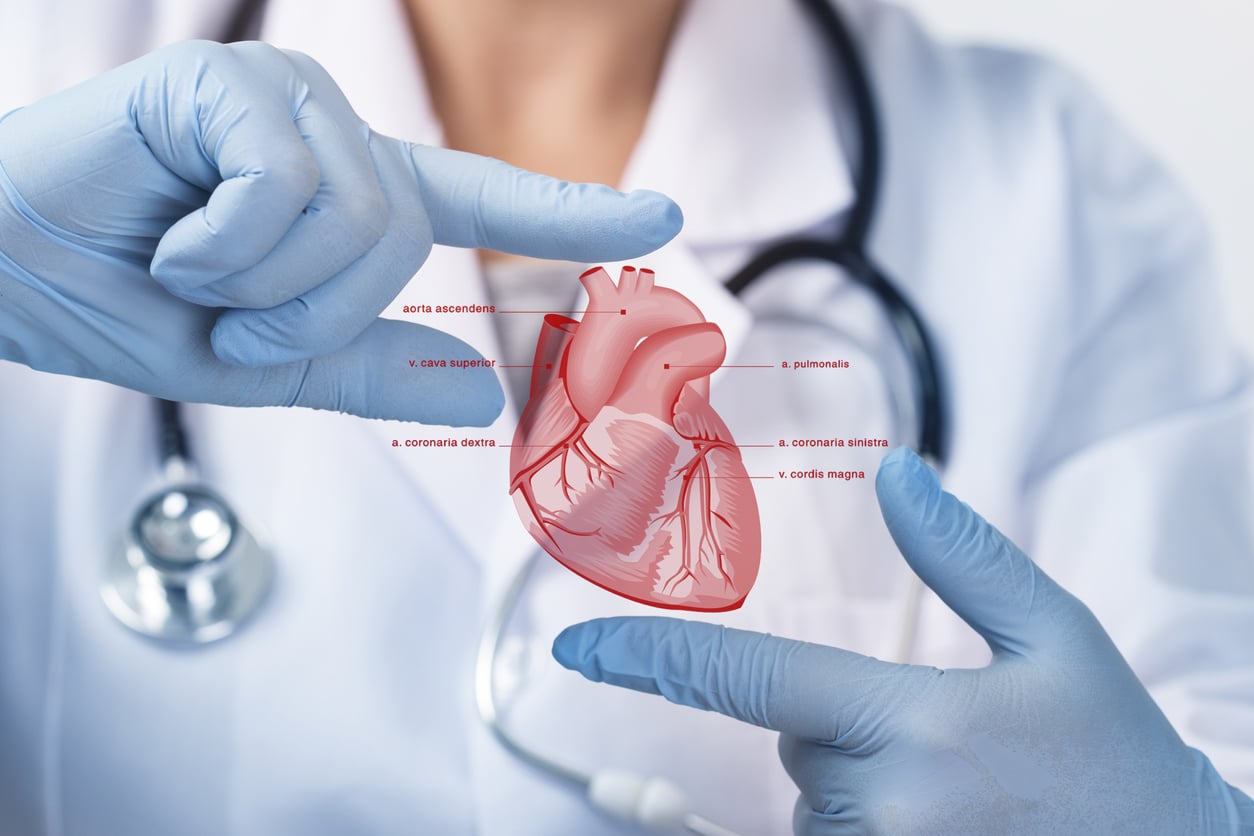
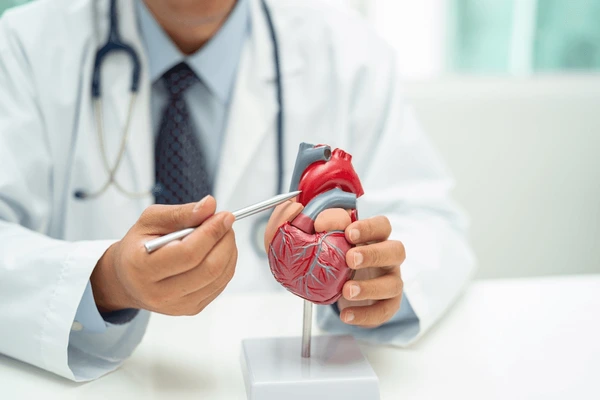
❤️Your Heart Matters: Compassionate, Expert Cardiac Care When You Need It Most
If you’ve ever felt that uncertainty, you’re not alone. Every year, millions of Indians face cardiovascular concerns, and many delay seeking help because they’re afraid, unsure, or don’t know where to turn.
At Indraprastha Institute of Medical Sciences (IPIMS) Hospital, Panipat, we understand your concerns intimately. Our Cardiology Department exists for one simple reason: to bring peace of mind back to your life through expert diagnosis, compassionate care, and clear answers—all without the fear of surgery or invasive procedures.
We believe your heart health shouldn’t be complicated or expensive. It should be accessible, understandable, and delivered with genuine care. This is exactly what we provide, every single day, to hundreds of patients across Panipat, Karnal, and surrounding communities.
🌟The IPIMS Cardiology is Different: Why Patients Choose Us?
- Expert cardiologists available on predictable days and times
- Advanced 2D Echocardiography performed immediately
- Digital ECG with instant analysis
- Treadmill Stress Testing in our dedicated facility
- 24-48 Hour Holter Monitoring coordination
- Comprehensive blood work and cardiac marker testing
- Coordinated care with other specialists when needed
- Your specific symptoms and how they affect your daily life
- Your family medical history and inherited risks
- Your work stress, lifestyle, dietary habits, and exercise patterns
- Your fears, concerns, and health goals
- Your personal and financial circumstances
- All major health insurance providers
- TPA (Third Party Administrator) cards
- Multiple payment options, including EMI plans
- Affordable rates for patients without insurance
- Comprehensive cardiovascular risk assessment
- Personalized diet and lifestyle counseling
- Exercise prescription tailored to your fitness level
- Stress management guidance
- Regular monitoring to track improvements
- Support and accountability
🌟The IPIMS Cardiology is Different: Why Patients Choose Us?
😎 You’re Never Just a Patient—You’re Family
The moment you step into our Cardiology Department, something shifts. Instead of a cold, clinical environment, you’ll find a warm, patient-focused space where your concerns are heard, validated, and addressed with genuine empathy.
Our cardiologists don’t rush. They listen. They explain. They partner with you in your journey toward better heart health.
Many of our patients say: “For the first time, I felt someone actually cared about understanding my heart—not just treating it.”
This philosophy shapes everything we do—from the moment you call for an appointment to your follow-up visits and beyond.
🌟Complete Cardiac Care Under One Roof
Imagine this scenario: You’re worried about your heart. Traditionally, you’d visit multiple clinics, wait weeks for appointments, get different opinions, and feel more confused than when you started.
At IPIMS Panipat, it’s entirely different. Everything you need is here:
● Expert cardiologists available on predictable days and times
● Advanced 2D Echocardiography performed immediately
● Digital ECG with instant analysis
● Treadmill Stress Testing in our dedicated facility
● 24-48 Hour Holter Monitoring coordination
● Comprehensive blood work and cardiac marker testing
● Coordinated care with other specialists when needed
No referral ping-pong. No waiting weeks between appointments. No confusion about where to go next. Just seamless, integrated cardiac care.
🎯State-of-the-Art Technology Meets Human Touch
We’ve invested in the latest diagnostic equipment precisely because you deserve accuracy. Our 2D Echocardiography machines produce crystal-clear images. Our ECG systems are digital and computer-assisted. Our Holter monitors are lightweight and comfortable.
But here’s what truly matters: behind every machine is a highly trained, board-certified cardiologist who interprets your results with meticulous care and explains findings in language you actually understand—not medical jargon that leaves you more confused.
⏳Your Heart Story Matters to Us
Every heart is unique. Every patient’s situation is different. This is why we never prescribe a one-size-fits-all approach.
Our cardiologists spend time understanding:
● Your specific symptoms and how they affect your daily life
● Your family medical history and inherited risks
● Your work stress, lifestyle, dietary habits, and exercise patterns
● Your fears, concerns, and health goals
● Your personal and financial circumstances
Then, we craft a personalized treatment and prevention plan that actually fits your life—not a generic protocol. We discuss options with you, explain the reasoning behind recommendations, and ensure you feel confident and informed every step of the way.
💳Affordable Excellence—Heart Care for Everyone
Quality cardiac care shouldn’t be a luxury reserved for the wealthy. This is why IPIMS maintains transparent, affordable pricing without compromising on quality or expertise.
We work with:
● All major health insurance providers
● TPA (Third Party Administrator) cards
● Multiple payment options, including EMI plans
● Affordable rates for patients without insurance
You’ll never face hidden charges or surprise bills. Before any procedure or test, we discuss costs openly. Many patients are surprised at how accessible premium cardiac care can be at IPIMS.
⏳Prevention First—Because the Best Treatment Is Prevention
While we excel at diagnosing existing heart problems, our deepest commitment is preventing them in the first place.
Through our preventive cardiology program, we identify your personal risk factors—high cholesterol, hypertension, diabetes, family history, stress, sedentary lifestyle—and help you address them before they become serious disease.
We provide:
● Comprehensive cardiovascular risk assessment
● Personalized diet and lifestyle counseling
● Exercise prescription tailored to your fitness level
● Stress management guidance
● Regular monitoring to track improvements
● Support and accountability
Patients often tell us: “I came worried about my heart, but left feeling empowered to take control of my health.”
⭐What We Treat: Comprehensive Cardiac Condition Management
The Silent Threat. You might describe it as “tightness in the chest” or “heaviness,” especially during stress or exertion. Or you might feel nothing at all—some people have CAD without any symptoms, a condition we call “silent ischemia.” Coronary Artery Disease occurs when cholesterol plaques gradually narrow your heart’s blood vessels.
Why early diagnosis changes everything:
- Prevents heart attacks before they happen
- Allows time to modify risk factors
- Enables medication therapy to stabilize plaques
- Helps you avoid emergency situations
- Extends life and improves quality of life
Our Diagnostic Approach:
Using a combination of ECG, treadmill stress testing, and 2D echocardiography, we accurately assess your coronary artery disease risk and progression. We correlate your symptoms with objective findings, giving you and your doctors concrete data to guide treatment.
Our Treatment Focuses On:
- Aggressive risk factor control (blood pressure, cholesterol, diabetes, weight)
- Heart-protective medications (statins, ACE inhibitors, beta-blockers)
- Lifestyle modifications (diet, exercise, stress management)
- Regular monitoring to catch worsening early
- Referral for interventional procedures when medical management isn’t sufficient
Many CAD patients achieve excellent outcomes with non-invasive management alone, avoiding surgery and enjoying years of improved health.
The Disease You Can’t Feel. Here’s the cruel irony of high blood pressure: you can feel perfectly fine while your blood vessels are being silently damaged. Hypertension is called the “silent killer” for good reason. Over years and decades, persistent elevated pressure scars your blood vessels, strains your heart, damages your kidneys, and increases your stroke risk.
At IPIMS Panipat We:
- Accurately measure your blood pressure (sometimes home measurements differ from office readings)
- Assess for “target organ damage”—signs that high BP has already affected your heart, kidneys, or brain
- Use 2D echocardiography to check for left ventricular hypertrophy (thickened, weakened heart muscle from years of high pressure)
- Develop a personalized medication and lifestyle plan
- Monitor your progress closely to ensure target blood pressure achievement
The term “heart failure” frightens people. Let us reassure you: heart failure doesn’t mean your heart has stopped. It means your heart needs help. It develops when your heart struggles to pump blood efficiently (systolic failure) or relax properly (diastolic failure).
Symptoms that prompt evaluation:
- Unusual fatigue, especially with minimal activity
- Breathlessness when walking upstairs or lying flat
- Swelling in ankles and legs that pits when you press it
- Weight gain (more than 2-3 kg in a week suggests fluid retention)
- Waking up at night short of breath
- Persistent cough, especially when lying down
Comprehensive Evaluation Includes:
Detailed history, 2D Echocardiography to measure ejection fraction, ECG to detect rhythm problems, Blood tests for B-type Natriuretic Peptide (BNP), and assessment of kidney/liver function.
Our Treatment Approach:
Modern management combines multiple medications that work synergistically—ACE inhibitors, beta-blockers, diuretics, and newer agents like SGLT2 inhibitors—along with strict fluid and salt restriction, careful weight monitoring, and graded exercise.
Imagine your heart occasionally skipping beats, racing suddenly, or fluttering like a bird. For millions, arrhythmias are a daily reality. Some are benign; others require immediate treatment.
Common Arrhythmias We Manage:
- Premature Contractions (PACs/PVCs): Extra heartbeats that feel like a "skipped beat." Usually harmless but require evaluation.
- Atrial Fibrillation (AFib): Chaotic, rapid activity in the upper chambers. Significantly increases stroke risk and requires anticoagulation.
- Atrial Flutter: Rapid, organized activity causing a heart rate of 120-150 bpm. Needs rate control.
- Supraventricular Tachycardia (SVT): Sudden episodes of very fast heartbeat (120-250 bpm). Can be frightening but often responds well to medication.
- Heart Blocks: Electrical signals are delayed or blocked, causing an abnormally slow heart rate.
Why Holter Monitoring Changes Everything:
Standard ECG captures only 10 seconds. We use 24-48 Hour Holter Monitoring—a portable device that records 100,000+ heartbeats—to capture intermittent arrhythmias that correlate with your symptoms.
Your heart has four valves acting like one-way doors. When they malfunction by narrowing (stenosis) or leaking (regurgitation), your heart must work harder.
Conditions We Evaluate:
- Mitral Valve Disease: The most common problem, ranging from mild to severe.
- Aortic Valve Disease: Narrowing restricts blood flow to the body; leaking allows backflow.
- Rheumatic Heart Disease: Resulting from untreated strep throat in childhood, permanently damaging valves.
- Prosthetic Valves: Monitoring function for patients who have had valve surgery.
Why 2D Echocardiography is perfect for this:
Our echo machines visualize each valve in exquisite detail, measuring opening/closing function and calculating pressure gradients. This allows us to grade severity and guide management, often delaying or preventing surgery through medical management.
Palpitations and fainting episodes are terrifying. The reality is that most have benign causes, but some don't. Only proper evaluation can tell you which.
Common Causes:
Palpitations: Benign premature beats (stress/caffeine), Thyroid problems, Anemia, Dehydration, or Arrhythmias.
Syncope (Fainting): Cardiac arrhythmias, Structural heart disease, Low blood pressure (vasovagal), or Neurological issues.
Our Diagnostic Approach:
- Detailed symptom characterization (triggers, duration)
- ECG to identify baseline rhythm
- 24-48 Hour Holter Monitoring for intermittent issues
- 2D Echo to rule out structural disease
- Lab work to check thyroid, anemia, and electrolytes
Because You Don’t Have to Get Sick. The best time to treat heart disease is before it starts. Research shows that identifying and aggressively managing risk factors can prevent 80-90% of heart attacks and strokes.
Who should get evaluated?
- Anyone over age 40 (men) or 50 (women)
- Anyone with risk factors: high BP, cholesterol, diabetes, overweight, smoking
- Anyone with a family history of early heart disease
Our Comprehensive Assessment Includes:
1. Risk Factor Evaluation: BP measurement, Lipid panel (Cholesterol/LDL/HDL), HbA1c (Diabetes), BMI, and Lifestyle discussion.
2. Cardiovascular Testing: 2D Echocardiography and Treadmill Stress Testing (if indicated).
3. Personalized Plan: Specific diet, exercise prescription, stress management, and medical prevention if needed.
-
Coronary Artery
Disease (CAD) - Vision
- Philosophy
Enhance user experience with Advanced Tabs, allowing seamless content navigation. Organize information efficiently while keeping the interface clean and interactive. Perfect for FAQs, product details, or multi-section content.
Enhance user experience with Advanced Tabs, allowing seamless content navigation. Organize information efficiently while keeping the interface clean and interactive. Perfect for FAQs, product details, or multi-section content.
Enhance user experience with Advanced Tabs, allowing seamless content navigation. Organize information efficiently while keeping the interface clean and interactive. Perfect for FAQs, product details, or multi-section content.
Advanced Non-Invasive Diagnostics
- Mission
- Vision
- Philosophy
Enhance user experience with Advanced Tabs, allowing seamless content navigation. Organize information efficiently while keeping the interface clean and interactive. Perfect for FAQs, product details, or multi-section content.
Enhance user experience with Advanced Tabs, allowing seamless content navigation. Organize information efficiently while keeping the interface clean and interactive. Perfect for FAQs, product details, or multi-section content.
Enhance user experience with Advanced Tabs, allowing seamless content navigation. Organize information efficiently while keeping the interface clean and interactive. Perfect for FAQs, product details, or multi-section content.
The Gold Standard. If one test defines modern cardiology, it’s 2D Echocardiography. This ultrasound of your heart is painless, non-invasive, radiation-free, and provides more information about heart structure and function than almost any other test.
What we see on Echo:
- Heart Chambers: Are they enlarged? Is the muscle thick or thin?
- Heart Function: Ejection Fraction (how much blood pumps per beat?) and Diastolic function (does it relax properly?).
- Heart Valves: Do they open fully? Do they leak? What is the severity?
- Blood Flow: Is there turbulence? Are there clots or fluid around the heart?
The Experience:
You’ll lie on your left side in a comfortable, dimmed room. Warm gel is applied to your chest, and our technician moves an ultrasound probe across different areas. The entire process takes 30-45 minutes and is completely painless.
Your Heart’s Electrical Signature. The ECG records the electrical impulses that trigger your heartbeats. It is quick (5-10 minutes), inexpensive, and painless.
What we use it for:
- Initial evaluation of chest pain
- Screening for arrhythmias
- Evidence of past or current heart attacks
- Detecting electrolyte abnormalities or medication effects
Our Digital Advantage: We use modern digital machines that provide computer-assisted analysis and allow immediate comparison with previous ECGs to detect subtle changes.
Revealing Hidden Problems. Many heart problems only become apparent when your heart is working hard. During rest, coronary arteries may differ, but during exercise, a narrowed artery may fail to deliver enough blood.
Who needs TMT?
- People with chest pain of unclear cause
- Risk factor assessment before starting vigorous exercise
- Evaluation of exercise capacity post-heart attack
What happens during the test?
You arrive fasted and wear comfortable clothes. We attach electrodes and you walk on a treadmill. Every 3 minutes, the speed and incline increase. We monitor for ECG changes, chest pain, or arrhythmias until you reach a target heart rate.
Safety Note: TMT is very safe when performed by trained professionals. We have emergency equipment immediately available and stop the test if concerning symptoms develop.
Catching the Elusive Arrhythmia. Standard ECG captures 10 seconds. Intermittent arrhythmias often escape detection. A Holter monitor is a portable device worn for 24-48 hours that records every single heartbeat.
How it works:
While you go about your normal day, the monitor records. When you experience symptoms—palpitations, dizziness, breathlessness—you note the time in a diary. Later, we correlate your symptoms with the actual ECG recording.
The Revelation:
Sometimes patients worry they are having dangerous arrhythmias, but the Holter shows benign premature beats—providing powerful reassurance. Other times, we identify silent AFib or bradycardia that requires immediate treatment to prevent strokes.
Top 8 Patient Questions—Answered by Our Cardiologists

What is non-invasive cardiology, and why is it important?
Why it matters: Most heart conditions can be accurately diagnosed non-invasively, and many can be successfully managed without surgery. This means you avoid surgical risks, recover faster, and save money. Non-invasive testing is safe, painless, and can be repeated as often as needed for monitoring.
The bottom line: Non-invasive cardiology brings advanced cardiac diagnosis within reach of everyone, regardless of age or health status. ________________________________________
When should I see a cardiologist? What symptoms should I worry about?
A: Non-invasive cardiology diagnoses and treats heart conditions using tests that don’t require surgical procedures or instruments inside your body. Tests like ECG, echocardiography, stress testing, and Holter monitoring tell us almost everything we need to know about your heart without any surgery.
Why it matters: Most heart conditions can be accurately diagnosed non-invasively, and many can be successfully managed without surgery. This means you avoid surgical risks, recover faster, and save money. Non-invasive testing is safe, painless, and can be repeated as often as needed for monitoring.
The bottom line: Non-invasive cardiology brings advanced cardiac diagnosis within reach of everyone, regardless of age or health status.
________________________________________
Why does my cardiologist recommend all these tests? Can’t one test tell you everything?
I’m worried about my heart, but I don’t have symptoms. Should I still get tested?
Is 2D Echocardiography safe? Will I be exposed to radiation?
My doctor prescribed multiple heart medications. Do I have to take them forever?
I’m terrified about my heart condition. What’s my prognosis?
If I need advanced cardiac procedures like angioplasty or surgery, what happens?
Answer: Non-invasive cardiology diagnoses and treats heart conditions using tests that don’t require surgical procedures or instruments inside your body. Tests like ECG, echocardiography, stress testing, and Holter monitoring tell us almost everything we need to know about your heart without any surgery.
Why it matters:
Most heart conditions can be accurately diagnosed non-invasively, and many can be successfully managed without surgery. This means you avoid surgical risks, recover faster, and save money. Non-invasive testing is safe, painless, and can be repeated as often as needed for monitoring.
The bottom line: Non-invasive cardiology brings advanced cardiac diagnosis within reach of everyone, regardless of age or health status.
Answer: You should see a cardiologist if you experience:
- Chest discomfort: Pressure, heaviness, squeezing, or pain, especially with exertion.
- Shortness of breath: Unusual breathlessness, especially when walking upstairs or lying flat.
- Palpitations: Sensation of your heart racing, pounding, or skipping beats.
- Dizziness or syncope: Lightheadedness or fainting.
- Leg swelling: Swelling in ankles or legs.
Also see a cardiologist if: You are over 40 (men) or 50 (women), have risk factors (diabetes, high cholesterol, smoking, obesity), or a family history of heart disease.
The key point: Don’t wait for catastrophe. Early evaluation prevents most heart problems before they become serious.
Answer: Different tests provide different information, and together they give us a complete picture:
- ECG: Shows your heart’s electrical activity (rhythm problems).
- 2D Echo: Shows your heart’s structure, function, and valves.
- Treadmill Test: Shows how your heart performs under stress (blockages).
- Holter Monitor: Catches intermittent arrhythmias ECG misses.
- Blood tests: Reveal risk factors and markers of damage.
Think of it like investigating a building: an architect’s blueprint (echo) gives different info than an electrical inspection (ECG). We only order tests that provide clinically useful information.
Answer: Absolutely yes, especially if you have risk factors or family history. Many serious heart problems produce no symptoms until they cause a crisis (heart attack or stroke).
Screening often reveals hidden coronary artery disease, hypertension, or high cholesterol which are manageable before damage occurs.
Real Scenario: A 45-year-old man came in for screening because his father had a heart attack at 50. Despite no symptoms, we found cholesterol of 350 and a concerning stress test. After six months of treatment, his cholesterol dropped to 170 and his stress test normalized. He likely avoided a heart attack.
Answer: 2D Echocardiography is completely safe and uses NO radiation whatsoever. It uses ultrasound waves (the same technology used for prenatal ultrasounds), which are harmless.
Why it’s the safest test:
- No radiation exposure
- No needles or injections
- Painless and no side effects
- Safe during pregnancy
In 60+ years of echocardiography use worldwide, there have been no documented harmful effects.
Answer: This depends on your specific condition.
Temporary Medications: Drugs for acute pericarditis or some arrhythmias may be short-term.
Long-term Medications: High blood pressure, high cholesterol, and heart failure typically require ongoing medication. These don't just treat symptoms—they prevent disease progression, heart attacks, and strokes.
Important: Never stop cardiac medications without discussing with your cardiologist. However, by aggressively managing lifestyle (diet/exercise), some patients eventually reduce their doses.
Answer: First, take a deep breath. Modern cardiology has transformed outcomes dramatically. Conditions that were once fatal are now highly manageable.
Your prognosis depends on:
- Specific diagnosis and severity
- How well you follow treatment (adherence affects outcomes largely)
- Your lifestyle (diet, exercise, smoking cessation)
Most people with coronary artery disease or heart failure, when properly managed, live normal, active lives. The most important predictor is your commitment to the treatment plan. We are here to guide you toward the best possible outcome.
Answer: While IPIMS Cardiology specializes in non-invasive diagnosis, we recognize when patients need advanced interventions.
Our Approach:
- Accurate diagnosis through our testing.
- Optimal medical management first (many patients improve without surgery).
- Expert referral when intervention is clearly needed—to leading cardiac centers in Delhi NCR.
- Seamless coordination: We share your records and participate in care planning.
We ensure a smooth transition and manage your post-procedure follow-up and long-term monitoring right here in Panipat.
📂 What to Bring
- Photo Identification
- Health Insurance / TPA Card
- List of all current medications (with doses)
- Previous medical records (ECGs, echo reports, blood tests)
- List of allergies
- Notebook to write down information
👕 What to Wear
- Comfortable, loose-fitting clothing
- Comfortable walking shoes (essential if TMT is needed)
- Avoid tight clothing (makes ECG electrode placement difficult)
📝 Information to Prepare
- Symptoms: When did they start? What do they feel like? Triggers? Severity (1-10).
- Medical History: Diabetes? High BP? Surgeries? Supplements?
- Family History: Heart disease in parents/siblings? Sudden cardiac deaths? Strokes?
- Lifestyle: Smoking status, alcohol intake, exercise habits, stress levels.
⏱️ What to Expect
- Duration: 45-60 minutes for first visit.
- Process: Registration & Vitals → Consultation → ECG (if needed) → Discussion of findings & Plan.
- Result: You will leave feeling heard, respected, and understood.
Indraprastha Hospital, Panipat
Where Expert Cardiology Meets Genuine Compassion.
Your heart is our priority. Your peace of mind is our goal.
📅 Book Your Appointment
Phone: +91-705-666-7979
info@ipimshospital.com
🩺 OPD Days
Monday to Saturday (Walk-ins Welcome)