
Scarless Surgery: What It Is and How It Works
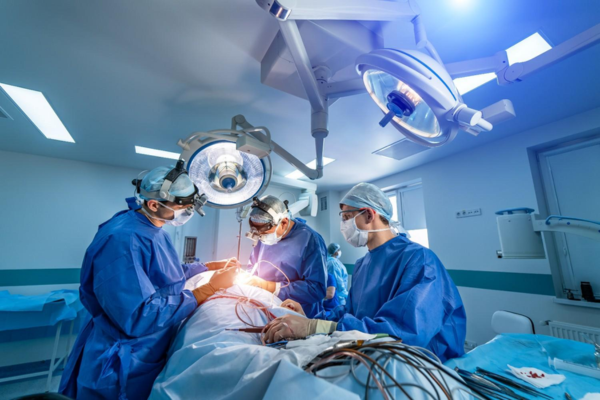
Scarless surgery is a buzzword now, especially as medical tech keeps moving forward. Basically, it means surgery that leaves little or no visible scar—sometimes by using just one hidden cut, natural body openings, or tools that work under the skin without actually cutting it.
But let’s be honest: “scarless” almost never means zero scars. It usually means the scar is tiny, hidden, or placed where it’s hard to spot.
If you’re checking your options before meeting a doctor, this guide is for you. Let’s break down what scarless surgery really means, how doctors do it, and what you can expect after.
What Patients Mean by Scarless Surgery
People mean different things when they say “scarless surgery.” Some want absolutely no visible mark, while others just want smaller or hidden scars compared to old-school open surgery.
Knowing the difference helps you talk better with your surgeon.
No Visible Scar vs. Smaller Scars
Getting no scar at all is very rare if the surgery needs any physical entry. Most techniques just hide the scar inside the belly button, in a skin fold, or shrink it to a few millimetres.
A scar inside the navel, for example, is pretty much invisible in daily life, but yeah, it’s still there.
Scarless vs. Minimally Invasive Surgery
Minimally invasive surgery (MIS) is the bigger umbrella. Scarless surgery is a special type of MIS where the main aim is to keep visible scars at a minimum.
Not all MIS is scarless. For example, standard laparoscopic surgery still leaves three to five small marks on your stomach.
What Do Laparoscopic, Endoscopic, and NOTES Mean?
- Laparoscopic surgery: Small cuts in the abdomen, using a camera and thin tools.
- Endoscopic surgery: Flexible tube (endoscope) goes through a natural opening like your mouth.
- NOTES (Natural Orifice Transluminal Endoscopic Surgery): Surgery done totally through natural body openings—no outside cut at all.
Each method is different. Always ask your surgeon which one they use so you know what to expect for your body.
How These Procedures Are Performed
How the surgeon gets to the problem area decides how visible your scar will be. Some use a single cut at the belly button, others avoid skin cuts altogether and use natural openings.
Tiny Cuts, Natural Openings, and Hidden Entry Points
Single-incision laparoscopic surgery (SILS) uses just one small cut in or near your belly button. Since the navel has folds, the scar blends in.
NOTES goes further—using the mouth, rectum, or vagina for entry. No skin cut at all. But this is still rare and for specific cases.
Endoscope and Special Tools
Doctors use an endoscope—a thin tube with a camera and light—to see inside you without big cuts. In single-port surgeries, everything goes through one small hole.
This needs more skill and special equipment than regular laparoscopy.
Hiding Scars: Smart Placement and Sutures
When a cut is needed, surgeons pick spots like skin folds, hairline, or the navel to keep it hidden.
They use subcuticular sutures—stitches just under the skin—to close the wound from inside. This leaves a smoother, flatter line.
Benefits for Recovery and Looks
Why do people pick scarless or minimally invasive surgery? Mostly for two things:
- Faster, easier recovery
- Better cosmetic results
Let’s look at both.
Less Pain, Back to Normal Faster
Smaller cuts mean less muscle and tissue disturbance. That usually means less pain and a quicker return to normal life.
Many people get back to light activities in just a few days.
Shorter Hospital Stay
Most of these surgeries are day-care procedures—you go home the same day. Less blood loss, less trauma, and you usually don’t need strong painkillers.
Cosmetic Results
For many, especially young people, the look matters as much as the medical result. A hidden or invisible scar boosts confidence.
But remember, internal scars still form as you heal. The benefit is mainly on the outside.
Surgeries Often Done Scarlessly
Lots of surgeries can now be done with minimal or hidden scars. But not every case is right for these methods.
Here are some common ones:
Procedure Type | Scarless Option Used | Where Scar is Hidden/Minimized |
Gallbladder/Appendix Removal | Single-incision laparoscopy | Inside belly button |
Hernia Repair | Laparoscopy | Small, hidden cuts |
Weight-loss Surgery | Single/reduced-port laparoscopy | Belly button or small cuts |
Cosmetic (FaceTite, BodyTite) | Energy-based, tiny entry | Tiny, nearly invisible marks |
Gallbladder and Appendix Removal
These are usually done using single-incision laparoscopy. The cut is inside the belly button, so the scar is hard to see.
Hospitals like Apollo and Fortis in India do these regularly.
Hernia Repair and General Surgery
Hernia repairs can be done with hidden or small cuts, depending on the hernia’s type and size.
Other uses: ovarian cyst removal, some uterus surgeries.
Weight-loss Surgery
Sleeve gastrectomy and other obesity surgeries now use single-incision or fewer ports. This is good for people who want to avoid new scars.
But not everyone qualifies—it depends on your body and the surgeon’s experience.
Cosmetic Surgery and Liposuction
Here, “scarless” might mean using radiofrequency (like FaceTite, BodyTite), which tightens skin and reduces fat with tiny or no cuts.
Even traditional liposuction now uses very small entry points, and skilled doctors hide these well.
Are You a Good Candidate?
Not everyone can get a scarless procedure. It depends on your body, your health, and what needs to be done.
What Makes You Eligible?
- Simple, early-stage problems
- No major health issues
- No previous surgeries causing lots of internal scarring
Body shape, organ location, and health problems matter too.
Why Some Surgeries Can’t Be Scarless
If you have a big tumour, risk of heavy bleeding, or a tough case, doctors may need bigger cuts. Safety comes first, always.
What to Ask Your Surgeon
Here are some handy questions:
- Are you trained in single-incision or NOTES techniques?
- What cosmetic result can I expect?
- When would you switch to open surgery?
- How many of these have you done?
- What’s my recovery timeline?
Safety, Limits, and Real Expectations
Scarless and minimally invasive surgeries have real perks, but they’re not perfect. Safety is always more important than looks.
When Surgeons Switch to Bigger Cuts
Sometimes, things get tricky during surgery. The doctor might need to switch to regular laparoscopy or open surgery.
This isn’t a failure—it’s about keeping you safe.
Cosmetic vs. Medical Needs
A few small scars from standard laparoscopy are still much better than a big open surgery scar. Often, standard minimally invasive surgery already gives good cosmetic results.
Make sure you talk honestly with your doctor about what’s realistic.
Surgeon’s Experience Matters
Single-incision and NOTES need special training. Who does your surgery, and where, makes a big difference.
Pick a surgeon with experience in these methods, ideally at a top hospital in India.
FAQs
How does scarless surgery avoid visible incisions?
Doctors either make a small cut inside the navel, use hidden stitches, or go through natural openings like the mouth. Some cosmetic treatments use tiny entry points with no real cut.
Who’s a good candidate?
People with simple problems, no big internal scars from old surgeries, and good health. Your own body shape and the surgery type also matter. The surgeon will check all this before.
What are the main benefits and risks?
Benefits: Less pain, less blood loss, shorter hospital stay, better looks.
Risks: Sometimes longer surgery, more skill needed, and the chance the doctor may have to switch to a bigger cut if things get complicated.
How long does recovery take?
Usually, you’re back to light activities in a few days. Normal routine in one or two weeks. You might have some swelling or mild pain. Full healing inside takes a few weeks more.
Will I get internal scars?
Yes, internal scar tissue always forms as you heal. Usually, it’s not a problem, but rarely it can cause issues. Your surgeon will explain if you need to worry about this.