
Why You Shouldn't Skip Your 6-Month Dental Cleaning: Key Risks
You might think your teeth look and feel fine, so why bother with a dental visit? But honestly, most dental problems start quietly—by the time you feel pain, the damage is often serious.
Skipping your 6-month dental cleaning is risky because many oral problems grow without any warning. If you wait for pain, you’re probably already late.
Preventive care isn’t just about fixing things—it’s about stopping trouble before it starts. These 6-month visits help your dentist catch small issues early, making them easy and cheaper to fix.
If you’re skipping your dental checkup, let’s look at what you’re really risking, what happens at each visit, and how you can keep your mouth healthy between appointments.
What a 6-Month Visit Actually Includes
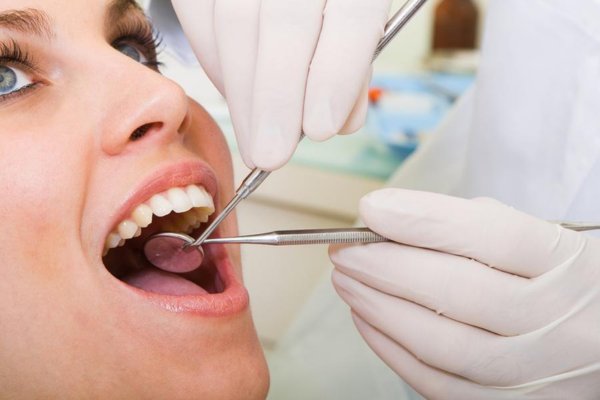
A lot of people think dental cleaning is just a quick polish. Actually, it’s a full check-up and a deep clean. Both the hygienist and dentist work together to protect your teeth and gums.
Professional Cleaning and Plaque Removal
Your hygienist uses special dental tools to remove plaque and tartar you just can’t reach with a brush.
They clean:
- Along your gum line
- Between your teeth
- Deep grooves on your chewing surfaces
After scaling, they polish your teeth. This smooths the enamel, making it tougher for plaque to stick.
Dental Exam and Early Screening
Once your teeth are clean, your dentist checks for:
- Tooth decay
- Gum problems
- Cracks in teeth
- Other silent issues
They also look for early signs of oral cancer, receding gums, and worn enamel.
Fluoride and Other Preventive Add-Ons
You might get a fluoride treatment, especially if you’re prone to cavities. Fluoride helps strengthen enamel.
Sometimes, the dentist recommends X-rays to catch hidden problems. These steps don’t take long but add extra protection.
How Plaque and Tartar Turn Into Bigger Problems
Plaque forms every day. If you don’t remove it, it hardens into tartar in just a day or two. You can’t get rid of tartar at home, and it’s a playground for bacteria.
Plaque Buildup in Hard-to-Reach Areas
Even if you brush well, some spots are just tough to reach—like the inside of your back teeth, just below the gum line, and between teeth.
Plaque in these areas hardens into tartar. This irritates your gums and speeds up tooth decay.
From Gum Irritation to Tooth Decay
Plaque and tartar feed bacteria. These bacteria:
- Attack your enamel
- Make your gums inflamed
What starts as mild gum irritation can quickly turn into:
- Worn enamel
- Surface stains
- Early gum disease
- Cavities hiding under the surface
This all happens slowly, so you might not notice until there’s real damage.
Why Home Care Alone Is Not Enough
Brushing and flossing are important. But they can’t remove tartar once it forms.
No matter how well you clean at home, only a dentist can fully remove tartar and clean below your gums. If you skip your cleaning, tartar just keeps piling up.
The Main Risks of Skipping Routine Cleanings
Skipping dental cleanings isn’t just bad for your smile. It opens the door to bigger, more expensive problems. Gum disease, tooth decay, and even bad breath can all start with missed cleanings.
Gum Disease, Gingivitis, and Periodontitis
Gum disease is super common if you skip cleanings. It starts as gingivitis—your gums get red, bleed, or feel sore.
If you ignore it, it can turn into periodontitis. That’s much worse and can cause:
- Deep pockets between teeth and gums
- Bone loss
- Loose teeth
- Tooth loss
Regular cleanings and good habits can prevent this.
Cavities, Cracks, and Silent Damage
Cavities can sneak up on you. You might not feel anything until the decay is deep.
Dentists can spot cracked teeth during a routine checkup—something you’d probably miss. If left untreated, cracks can get worse and damage your tooth.
Bad Breath and Other Early Warning Signs
Persistent bad breath (halitosis) often means bacteria are thriving in your mouth.
Tartar buildup, gum inflammation, and early tooth decay all add to bad breath that won’t go away with brushing.
Why Early Detection Saves Teeth, Time, and Money
When dentists catch problems early, treatment is usually easier and cheaper. Regular visits help spot issues before they get out of hand.
Simple Treatment vs Complex Repair
Look at how treatment changes depending on when you catch a problem:
Problem Found Early | Problem Found Late |
Small filling | Root canal or crown |
Gingivitis reversal | Periodontal treatment |
Minor crack repair | Full tooth extraction |
Fluoride for weak enamel | Full crown placement |
Fillings are simple. Root canals and crowns—not so much. Early detection means you can avoid the tough stuff.
Problems Dentists Can Catch Before Pain Starts
Most dental issues don’t hurt until they’re advanced. Dentists can spot early decay, gum recession, and damage from grinding before they get painful.
That’s a strong reason to keep your 6-month checkup—even if everything feels fine.
How Dental Insurance Often Supports Prevention
Most dental insurance plans cover preventive care—like cleanings and checkups—at low or no cost.
If you skip your covered visits, you might end up needing expensive treatments later, which your plan may not fully cover.
What to Do Between Dental Appointments
Your daily habits make a big difference. A solid routine keeps plaque away and lowers your risk of gum inflammation, bad breath, and cavities. The key is consistency, not perfection.
A Practical Daily Oral Hygiene Routine
Here’s what works:
- Brush twice a day for two minutes with fluoride toothpaste
- Floss daily to clean between teeth
- Rinse with antibacterial mouthwash if your dentist suggests
- Drink water through the day to wash away acids and food bits
Flossing really matters. Most people skip it, but it’s the only way to clean those tight spaces.
When to Book Sooner Than Six Months
Sometimes, waiting six months isn’t smart. Call your dentist sooner if you notice:
- Gums that bleed and don’t get better
- Bad breath that sticks around
- Tooth pain or sensitivity
- Gums pulling away from teeth
Signs You Should Not Ignore
Bleeding gums and swelling aren’t normal. Don’t brush them off.
These are early warning signs of gum disease, and they’re easier to treat if you act quickly.
When More Frequent Care May Be Recommended
Most people do fine with a six-month schedule. But if you’re at higher risk, you might need to go more often. Your dentist will help you figure out what’s best.
Higher-Risk Patients and Gum Health Monitoring
You might need checkups every 3-4 months if you have:
- A history of gum disease
- Diabetes or other health issues linked to gums
- Heavy plaque or tartar buildup
- Dry mouth from medicines
- Smoking or tobacco use
More visits mean your dentist can keep a closer eye and catch problems early.
Personalized Preventive Schedules
There’s no one-size-fits-all. Your dentist looks at your history and risk to recommend what fits you.
Just stick to the schedule your dentist suggests. Regular visits—whether every three or six months—work much better than waiting for pain.
Frequently Asked Questions
Q. What happens during a routine dental cleaning and checkup?
A hygienist removes plaque and tartar, then polishes your teeth. The dentist checks for cavities, gum disease, cracks, and other issues. Sometimes you’ll get a fluoride treatment or X-rays.
Q. How often do I really need a dental cleaning if my teeth feel fine?
Most people need a cleaning every six months—even if everything seems okay. Many dental problems, like cavities and gum disease, start without pain. Regular cleanings catch these early.
Q. Can skipping cleanings lead to gum disease or tooth loss over time?
Yes. Skipping cleanings lets tartar build up, which leads to gum problems and, if untreated, tooth loss.
Q. Why can’t brushing and flossing at home remove all plaque and tartar?
Brushing and flossing are great for loose plaque. But only a dentist can remove tartar with special tools. Home care is important, but it can’t replace professional cleaning.
Q. How can regular cleanings help catch cavities or other issues early?
Dentists look for early signs of decay, cracks, and more at every checkup. Catching a small cavity early means a simple filling, not a root canal. Early detection saves time, pain, and money.
Q. Are 6-month cleanings still important if I don’t have any symptoms?
Yes, they’re still important. Most dental problems start quietly. You might not feel pain or see anything wrong. A six-month checkup lets your dentist spot issues early. They can catch things you might miss.