
Accident & Emergency (24×7)
When Every Second Counts — We Are Ready
A medical emergency does not come with a warning. A road accident at midnight. A heart attack at dawn. A child with a sudden high fever at 3 AM. In moments like these, you need a hospital that is not just open — but ready.
IPIMS Hospital’s Accident & Emergency (A&E) Department operates 24 hours a day, 7 days a week, 365 days a year. Our team of emergency physicians, trauma surgeons, and trained nurses is always on standby — equipped with the latest medical technology and guided by one single goal: to save your life and stabilise your condition as quickly as possible.
Located on the Main G.T. Road in Panipat, IPIMS Hospital is one of the most accessible emergency care centres in the Sonipat-Panipat-Karnal corridor. Whether you arrive by ambulance, private vehicle, or on foot — our emergency team receives you immediately.
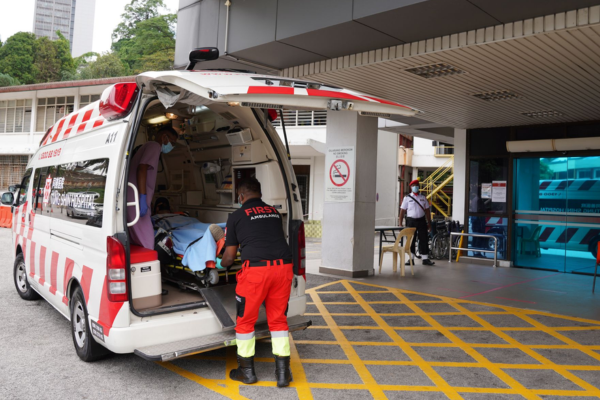
What is an Accident & Emergency (A&E) Department?
The Accident & Emergency department — also called A&E, Emergency Room (ER), or Casualty — is the section of a hospital that provides immediate, unplanned medical care for patients who are seriously ill or injured. Unlike routine OPD (outpatient) appointments that are scheduled in advance, the A&E department is designed to receive anyone, at any time, without prior booking.
At IPIMS Hospital, our A&E department serves as the hospital’s primary entry point for all critical cases. From the moment a patient arrives, our triage nurses assess the urgency of the condition and ensure that the most life-threatening cases receive care within minutes.
A&E care is different from general medicine. It focuses on stabilisation — stopping the immediate threat to life — before arranging definitive treatment, whether that means admission to a ward, surgery, ICU care, or safe discharge with follow-up guidance.
When is this Procedure Used? (Common Indications)
Because it is so fast and accessible, an X-ray is almost always the very first imaging test ordered by a doctor. Your physician, orthopedic surgeon, or emergency specialist will typically order an X-ray in the following scenarios:
- Trauma & Fractures: To instantly check for broken bones, hairline fractures, or dislocated joints after a fall, sports injury, or accident.
- Chest & Lung Issues: A Chest X-ray (CXR) is the frontline test for diagnosing lung infections (like pneumonia or tuberculosis), fluid in the lungs, or an enlarged heart.
- Joint Pain & Arthritis: To look for bone spurs, worn-down cartilage, or joint damage caused by osteoarthritis.
- Digestive Issues: To investigate severe abdominal pain, locate accidentally swallowed foreign objects (like a coin swallowed by a child), or detect blockages in the intestines.
- Dental & Jaw Conditions: To assess the jawbone before dental surgery or investigate facial fractures.
Emergency Conditions Treated at IPIMS Hospital
Our emergency department is equipped to handle a wide range of urgent and life-threatening conditions with rapid response and expert care.
Road Traffic Accidents and Trauma
- Multiple fractures and orthopaedic injuries
- Head injuries and traumatic brain injury (TBI)
- Internal organ injuries (liver, spleen, kidneys)
- Chest trauma and rib fractures
- Spinal injuries and immobilisation
- Deep lacerations and wound management
Patients with suspected spinal injuries are handled with strict precautions from arrival to prevent further damage.
Cardiac Emergencies
- Acute Myocardial Infarction (heart attack)
- Unstable Angina
- Cardiac Arrest (CPR & resuscitation)
- Severe arrhythmias
- Hypertensive emergencies
Rapid ECG and cardiologist support are available for immediate intervention.
Stroke & Neurological Emergencies
- Ischaemic and haemorrhagic stroke
- Transient Ischaemic Attack (TIA)
- Seizures and status epilepticus
- Loss of consciousness
- Meningitis and brain infections
- Spinal cord compression
Respiratory Emergencies
- Severe asthma attacks
- COPD exacerbations
- Pneumonia with respiratory failure
- Pulmonary embolism
- Anaphylaxis
- Smoke inhalation injuries
Oxygen therapy, nebulization, and ventilatory support are readily available.
Poisoning & Overdose
- Drug overdose
- Pesticide poisoning
- Alcohol poisoning
- Chemical ingestion
- Snake bites and insect stings
- Severe food poisoning
Treatments include gastric lavage, antidotes, and supportive care.
Burns & Injuries
- Thermal burns
- Electrical burns
- Chemical burns
- Friction burns
- Blast injuries
Immediate wound care and fluid resuscitation are provided.
Paediatric Emergencies
- High fever with seizures
- Breathing difficulty
- Severe dehydration
- Foreign body ingestion
- Head injuries
- Meningitis symptoms
Obstetric Emergencies
- Eclampsia
- Antepartum & postpartum haemorrhage
- Ectopic pregnancy rupture
- Premature labour
Other Common Emergencies
- Diabetic emergencies (hypoglycaemia, DKA)
- Acute abdominal pain
- Urinary retention
- Sepsis
- Eye injuries
- High fever with altered mental status
🚑 What Happens When You Arrive at Emergency
A Step-by-Step Guide for Patients & Families
Understanding the emergency process helps reduce anxiety and ensures you feel informed and prepared during critical moments.
🏥 Step 1 — Arrival and Reception
As you arrive at the emergency entrance of IPIMS Hospital (Main G.T. Road, Panipat), our team is ready to respond immediately.
- A receptionist or ward staff notes your arrival without delay
- For critically ill patients, medical assessment begins instantly — even before paperwork
- Patient care is always prioritized over administrative formalities
⚕️ Step 2 — Triage Assessment
Within minutes, a trained triage nurse evaluates your condition.
- Level of consciousness
- Breathing rate and oxygen levels
- Heart rate and blood pressure
- Chief complaint and duration of symptoms
Based on this, you are assigned a triage priority level ensuring the most critical patients are treated first.
👨⚕️ Step 3 — Medical Assessment
You are examined by an emergency physician in a designated bay or cubicle.
- Focused medical history
- Clinical examination
- Investigations such as Blood tests, ECG, X-ray, or imaging
🧪 Step 4 — Investigations and Results
IPIMS Hospital provides 24×7 on-site diagnostics for rapid results.
- Quick lab reports
- ECG interpretation
- Fast imaging results
This allows doctors to start treatment without delay.
💉 Step 5 — Treatment and Stabilisation
- IV fluids and medications
- Pain relief
- Wound cleaning and suturing
- Fracture immobilisation and splinting
- Nebulisation or oxygen therapy
- Emergency surgical intervention (if required)
📋 Step 6 — Admit, Observe, or Discharge
🛏️ Admission
For patients needing further treatment, monitoring, or surgery in ward or ICU.
👀 Observation
Short-term monitoring in an observation bay before final decision.
🏠 Discharge with Follow-Up
Patients are discharged with prescription, instructions, and follow-up if stable.
No patient is discharged unless the doctor confirms it is clinically safe.
Why Choose IPIMS Hospital for Emergency Care?
⏰ Available Every Hour, Every Day
Our A&E never closes. Public holidays, nights, weekends — IPIMS Hospital's emergency team is present and prepared at all times. You will never arrive to find the emergency department unstaffed.
👨⚕️ Experienced Emergency Team
Our emergency physicians are trained specifically in emergency and trauma medicine. Supporting them is a multi-specialty team — cardiologists, neurologists, orthopaedic surgeons, paediatricians, and intensivists — available on call for immediate consultation.
🧪 Advanced Equipment on Site
Having diagnostic equipment and treatment facilities in-house means faster diagnosis and faster care. CT scans, X-rays, blood work, and ECG — available 24x7 within the hospital campus.
🔄 Seamless In-Hospital Escalation
IPIMS Hospital is a full-service hospital. When a patient needs to escalate from emergency to surgery, ICU, or a specialist ward, the transfer happens within the same campus — without the risk or delay of patient transport to another facility.
❤️ Compassionate, Patient-Centred Care
An emergency is frightening — not just for the patient, but for their entire family. Our staff are trained to communicate clearly with family members, provide regular updates on the patient's condition, and treat every person with dignity and respect.
📍 Accessible Location
Located on the Main G.T. Road, Panipat — one of the most prominent arterial roads in the region — IPIMS Hospital is easy to reach by road from Panipat city, nearby villages, and the Sonipat-Karnal highway stretch. Ambulances and private vehicles can access the emergency entrance directly.
Come to A&E Immediately (Do Not Wait) If:
- You have chest pain or pressure, especially spreading to the arm or jaw
- You are having difficulty breathing or cannot catch your breath
- You or someone else has lost consciousness or will not wake up
- There is sudden severe headache — the worst you have ever experienced
- You notice signs of stroke: face drooping on one side, arm weakness, slurred speech, sudden confusion
- There is uncontrolled bleeding that is not stopping with direct pressure
- You have been involved in a road accident or serious fall
- A child is having a seizure or has become unresponsive
- You have swallowed poison, chemicals, or a dangerous overdose of medication
- You are experiencing a severe allergic reaction — swelling of the face, throat, or lips
Come Urgently (Within a Few Hours) If:
- You have a deep wound that may need stitches
- You have a suspected broken bone or dislocated joint
- You have a high fever above 103°F (39.4°C) with confusion or a rash
- You have severe abdominal pain that has not improved
- Your blood sugar is dangerously high or low and not responding to home management
- You have sudden vision changes or eye pain after injury
- A child under 3 months has any fever
Tips for Families: What to Do in an Emergency
In a medical emergency, staying focused and taking the right steps can make a critical difference.
- Stay Calm: Panic can make situations worse. Take a moment to stay composed and act quickly.
- Call Emergency Services First: Contact the hospital emergency helpline immediately to alert the medical team while you are on the way.
- Avoid Unnecessary Movement: Do not move a seriously injured person, especially if head, neck, or spinal injury is suspected.
- Use Recovery Position: If the person is unconscious but breathing, place them on their side to prevent choking.
- Start CPR if Needed: If there is no breathing or pulse, begin chest compressions if you are trained, and seek urgent medical help.
- Carry Medical Information: Bring medicines, prescriptions, or any known medical history, allergies, or reports to assist doctors.
- Assign One Spokesperson: One family member should communicate with the medical team to provide clear and accurate information.
Frequently Asked Questions – Emergency Department at IPIMS Hospital
Get the Answers in Emergency
🏥 Address
IPIMS Hospital, Opposite Police Lines, Panipat Haryana
🕘 Timings
Open Daily: 8:00 AM – 8:00 PM
📞 Call
+91 70566 67979
+91 70566 67979