
General Medicine Department
Conveniently located right on Main G.T. Road in Panipat, Haryana, our hospital serves as a trusted healthcare hub for the local community, as well as families traveling from nearby cities like Samalkha, Israna, and Madlauda. The General Medicine (Internal Medicine) department is the foundational pillar of our hospital, focusing on the prevention, diagnosis, and non-surgical treatment of adult diseases.
Backed by 10+ years of experience of our leading experts, cutting-edge diagnostic technology, and a seamless all-under-one-roof care model, IPIMS Hospital ensures you receive world-class medical attention without the need to travel to larger metropolitan cities.
What is General Medicine Care?
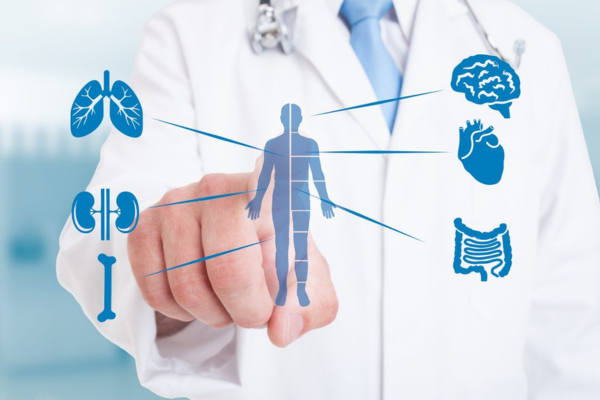
This specialty covers almost all major body systems, including the cardiovascular system (heart and blood vessels), respiratory system (lungs), gastrointestinal tract (stomach and intestines), and endocrine system (hormones and glands). Patients visit our General Medicine department for a vast spectrum of health problems, ranging from seasonal viral fevers, unexplained body aches, and persistent coughs to the long-term management of lifestyle diseases like diabetes, high blood pressure, and thyroid disorders.
Hypertension is often called the “silent killer” because it rarely shows obvious warning signs until it causes severe damage to the heart, brain, or kidneys. It occurs when the force of blood pushing against your artery walls is consistently too high. Patients might occasionally experience dull headaches, dizzy spells, or shortness of breath, but many feel completely normal. Given the high-stress lifestyles and dietary habits in our region, it is an extremely common condition that requires vigilant management to prevent life-threatening complications like a Stroke (Brain Attack) or Myocardial Infarction (Heart Attack).
How We Treat It
- Ambulatory Blood Pressure Monitoring (ABPM): We use advanced wearable monitors available through our to track your blood pressure over 24 hours, ensuring an accurate diagnosis rather than relying on a single clinic reading.
- Lifestyle Modification Therapy: Before aggressive medication, we provide structured guidance on dietary changes (like the low-sodium DASH diet), stress management, and customized exercise routines.
- Anti-Hypertensive Medications: We prescribe targeted oral medications—such as ACE inhibitors, beta-blockers, or calcium channel blockers—carefully tailored to your specific age, weight, and overall heart health.
- Routine Organ Health Screening: We conduct regular blood tests and ECGs to ensure your kidneys and heart are not being damaged by the elevated pressure, adjusting your treatment plan as needed.
Type 2 Diabetes is a chronic metabolic disorder where your body either resists the effects of insulin or doesn’t produce enough insulin to maintain normal glucose (sugar) levels. Patients commonly experience excessive thirst, frequent urination, constant fatigue, blurry vision, and slow-healing wounds. It is highly prevalent across Haryana, heavily influenced by genetics, diet, and sedentary lifestyles. If left unmanaged, diabetes can severely damage your nerves, eyes, and kidneys over time.
How We Treat It
- Comprehensive Glycemic Profiling: We utilize our in-house to conduct precise fasting blood sugar tests, post-meal tests, and HbA1c screenings to determine your average blood sugar levels over the past three months.
- Oral Hypoglycemic Agents (OHAs): We prescribe modern, highly effective oral medications that help your body utilize insulin better and lower blood sugar safely without causing sudden drops (hypoglycemia).
- Insulin Therapy & Management: For advanced cases where oral pills are insufficient, we carefully initiate and monitor insulin injections, teaching you how to comfortably and safely administer them at home.
- Diabetic Neuropathy & Foot Care: We provide specialized care to check for nerve damage and poor circulation in the feet, offering preventative treatments to avoid serious diabetic ulcers.
In the tropical climate of North India, especially during and after the monsoon season, mosquito-borne and water-borne diseases surge. Dengue causes sudden high fever, severe joint pain (often called “breakbone fever”), and dangerously low blood platelet counts. Malaria presents with extreme chills and heavy sweating, while Typhoid causes prolonged fever, stomach pain, and weakness. These illnesses can escalate into medical emergencies rapidly if not diagnosed and treated promptly.
How We Treat It
- Rapid Antigen & Serology Testing: We perform immediate diagnostic blood tests to pinpoint the exact infection—whether Dengue NS1, Malaria parasite smears, or Widal tests for Typhoid—ensuring targeted treatment.
- Intravenous (IV) Fluid Resuscitation: For patients suffering from severe dehydration or Dengue-induced fluid leakage, we provide carefully calculated IV fluids in our comfortable inpatient wards to maintain organ perfusion.
- Blood Component Therapy: In severe Dengue cases where platelet counts drop dangerously low, we facilitate emergency Platelet Transfusion to prevent internal bleeding.
- Targeted Antimicrobial Therapy: For bacterial infections like Typhoid, we administer highly specific, culture-sensitive antibiotics to clear the infection swiftly and prevent a relapse.
Respiratory infections affect the breathing passages and lungs. Bronchitis is the inflammation of the bronchial tubes, usually causing a severe, lingering cough with mucus. Pneumonia is a more severe infection that inflames the air sacs in one or both lungs, which may fill with fluid, causing a deep, painful cough, fever, chills, and difficulty breathing. These conditions are incredibly common during the winter months and periods of high air pollution in the Panipat and Delhi-NCR belt.
How We Treat It
- Digital Chest Radiography (X-Rays): We utilize high-resolution digital X-rays to visualize the extent of lung inflammation or fluid buildup, allowing for an immediate and accurate diagnosis.
- Aerosol & Nebulization Therapy: We provide immediate relief for tight airways using nebulizers that deliver inhaled bronchodilators directly into the lungs to ease breathing.
- Intravenous Antibiotic Therapy: For bacterial pneumonia, we admit the patient to our general medicine ward to administer potent IV antibiotics for rapid recovery and continuous vital sign monitoring.
- Oxygen Support: In cases where lung function is compromised, we provide continuous, monitored oxygen therapy until the patient’s natural oxygen saturation levels stabilize.
Gastrointestinal (GI) disorders encompass a variety of stomach and intestinal issues. Acid Peptic Disease (acidity and gastric ulcers) causes severe burning pain in the chest or stomach due to excessive stomach acid. Gastroenteritis (stomach flu or food poisoning) causes sudden vomiting, severe watery diarrhea, and abdominal cramps. Both conditions cause immense discomfort and, in the case of gastroenteritis, can lead to life-threatening dehydration very quickly.
How We Treat It
- Intravenous (IV) Rehydration: For severe vomiting and diarrhea, our first step is aggressive fluid replacement via IV to restore essential electrolytes and prevent kidney strain.
- Proton Pump Inhibitors (PPIs): We administer high-grade antacids and acid-blocking medications intravenously or orally to rapidly heal the stomach lining and stop acid reflux pain.
- Anti-Spasmodic & Anti-Emetic Medications: We use targeted medications to immediately stop severe nausea, vomiting, and painful stomach cramps, bringing the patient rapid comfort.
- Advanced Endoscopic Referral: If ulcers are suspected to be bleeding or if acidity is chronic, we seamlessly coordinate with our for a diagnostic endoscopy.
The thyroid is a small butterfly-shaped gland in your neck that controls your body’s metabolism. Hypothyroidism occurs when the gland is underactive, leading to extreme fatigue, unexplained weight gain, feeling cold, and depression. Conversely, Hyperthyroidism is an overactive gland, causing rapid weight loss, a racing heartbeat, anxiety, and tremors. These hormonal imbalances are very common, particularly among women, and require delicate, long-term management.
How We Treat It
- Comprehensive Thyroid Panels: We conduct precise blood tests to measure T3, T4, and TSH (Thyroid Stimulating Hormone) levels to accurately diagnose the specific type of thyroid dysfunction.
- Thyroid Hormone Replacement: For hypothyroidism, we prescribe a daily synthetic thyroid hormone pill, carefully adjusting the dosage over weeks to restore normal metabolic function and energy levels.
- Anti-Thyroid Medications: For hyperthyroidism, we utilize medications that block the thyroid gland from producing excess hormones, calming the patient’s racing system.
- Routine Endocrine Monitoring: Thyroid needs change over time. We establish a schedule for routine blood monitoring to ensure your medication dose remains perfectly balanced for your body.
Anemia is a condition in which you lack enough healthy red blood cells to carry adequate oxygen to your body’s tissues. The most common type is Iron Deficiency Anemia. Patients often complain of profound exhaustion, weakness, pale skin, shortness of breath, and cold hands and feet. This condition is notably common among women of childbearing age and individuals with poor dietary intake or hidden gastrointestinal bleeding.
How We Treat It
- Complete Hematology Profiling: We perform detailed blood tests to check hemoglobin levels, iron stores (ferritin), and Vitamin B12 levels to identify the exact nutritional deficiency causing the anemia.
- Oral Iron & Vitamin Supplementation: For mild to moderate cases, we prescribe highly absorbable oral iron and vitamin supplements, along with detailed nutritional counseling.
- Intravenous (IV) Iron Therapy: If oral iron is poorly tolerated or if the anemia is severe, we safely administer iron directly into the bloodstream via an IV drip for rapid replenishment of iron stores.
- Blood Transfusion: In life-threatening cases of severe anemia, we utilize our fully equipped blood bank services to provide safe, matched red blood cell transfusions.
Asthma and COPD are chronic inflammatory lung diseases that obstruct airflow from the lungs. Asthma often presents as episodic wheezing, chest tightness, and coughing, frequently triggered by allergies or cold air. COPD, usually linked to long-term smoking or heavy exposure to biomass smoke (common in rural areas around Haryana), causes a chronic, progressive decline in breathing ability. Both conditions require expert medical management to prevent severe respiratory failure.
How We Treat It
- Pulmonary Function Testing (PFT): We use specialized breathing tests to measure how well your lungs take in and release air, helping us grade the severity of your asthma or COPD.
- Inhaler & Corticosteroid Therapy: We prescribe specific preventer and reliever inhalers, carefully educating patients on the correct technique using spacers to ensure the medication reaches deep into the lungs.
- Acute Exacerbation Management: During a severe asthma attack or COPD flare-up, we provide emergency Bronchodilator Nebulization and systemic steroids in our ER or IP wards.
- Pulmonary Rehabilitation Counseling: We guide patients through breathing exercises, lifestyle changes, and smoking cessation programs to improve their long-term lung capacity and quality of life.
Dyslipidemia refers to unhealthy levels of one or more kinds of lipids (fats) in your blood. This usually means high LDL (bad cholesterol) and high triglycerides. High cholesterol causes no symptoms, but it quietly builds up fatty plaques in your arteries (atherosclerosis), dangerously narrowing them. This is a primary risk factor for heart attacks and strokes, especially prevalent in patients who also suffer from diabetes or hypertension.
How We Treat It
- Comprehensive Lipid Profiling: We conduct fasting blood tests to break down your exact levels of total cholesterol, LDL, HDL (good cholesterol), and triglycerides.
- Statin Therapy: We prescribe specific cholesterol-lowering medications known as statins to actively reduce the plaque-building fats in your blood and stabilize existing plaques.
- Cardiovascular Risk Assessment: We evaluate your overall risk profile, integrating your lipid levels with your blood pressure, age, and family history to create a holistic prevention plan.
- Dietary and Metabolic Counseling: Medication must be paired with lifestyle changes. We provide clear, culturally appropriate dietary guidelines to reduce trans fats and increase heart-healthy fiber in your daily meals.
A migraine is much more than a bad headache. It is a neurological condition causing intense, throbbing pain, usually on one side of the head, often accompanied by extreme sensitivity to light and sound, nausea, and vomiting. Chronic tension headaches cause a dull, continuous ache that feels like a tight band around the head. These conditions can be deeply debilitating, causing patients to miss work and significantly impacting their quality of life.
How We Treat It
- Clinical Neurological Evaluation: We take a detailed patient history to rule out secondary causes of headaches and identify the specific type of primary headache disorder.
- Acute Abortive Therapy: We provide powerful pain-relieving medications and anti-nausea drugs designed to stop a severe migraine attack in its tracks as soon as it begins.
- Prophylactic (Preventative) Medications: For patients suffering from frequent, severe migraines, we prescribe daily preventative medications—such as beta-blockers or anti-seizure drugs—to reduce the frequency and severity of attacks.
- Trigger Identification & Management: We work closely with patients to identify lifestyle triggers—such as stress, lack of sleep, or certain foods—and develop strategies to avoid them.
Our General Medicine Services in Panipat
Diagnostic Services
- Complete Pathology Laboratory: Comprehensive blood tests, lipid profiles, liver and kidney function tests, and advanced infectious disease serology, delivering rapid, accurate reports.
- Digital Radiography (X-Rays): High-clarity imaging to instantly assess lung infections, detect heart enlargement, or evaluate joint issues.
- Electrocardiogram (ECG): A quick, painless test that records the electrical signals in your heart to instantly detect abnormal rhythms or signs of a heart attack.
- Ultrasonography (USG): Non-invasive imaging of the abdomen and pelvis to evaluate the liver, gallbladder, kidneys, and detect issues like fatty liver or kidney stones.
- Advanced Endoscopy Services: For direct visual examination of the gastrointestinal tract to diagnose ulcers and acid reflux issues.
Medical & Non-Surgical Treatments
- Intensive IV Fluid & Medication Therapy: Administered in our comfortable day-care or inpatient wards to rapidly treat dehydration, severe infections, and acute pain.
- Chronic Disease Management Clinics: Dedicated, long-term monitoring and customized medication adjustment protocols for Diabetes, Hypertension, and Thyroid disorders.
- Aerosol & Oxygen Therapy Unit: Immediate respiratory support for acute asthma attacks, COPD exacerbations, and severe pneumonias.
- Preventative Health Check-ups: Comprehensive full-body screening packages designed to catch lifestyle diseases early before they cause irreversible damage.
- Adult Immunization Services: Administration of crucial adult vaccines, including the annual Influenza (Flu) shot, Pneumococcal vaccine, and Hepatitis B vaccines.
- In-Patient Medical Care: 24/7 monitoring and comprehensive medical care by specialized nursing staff and duty doctors for patients requiring hospitalization.
Why Patients in Panipat Trust IPIMS for General Medicine Care
Choosing the right hospital and the right physician is a critical decision. Thousands of families across Haryana trust IPIMS Hospital for their foundational healthcare. Here is why we are considered the best General Medicine hospital in Panipat:
- Experienced and Qualified Specialists — Our department is led by highly respected senior physicians with [XX Years Experience], trained at premier institutions like [Institute Name], bringing exceptional clinical acumen to Panipat.
- 24/7 Emergency Availability — Medical crises don't look at the clock. Our emergency department and critical care teams are ready 24/7. In a medical crisis, immediately dial 0180 66 55 000.
- In-House Diagnostics (No Referrals Outside) — With our fully equipped pathology lab and advanced radiology center inside the hospital building, you get your test results faster, leading to quicker, life-saving treatments.
- Advanced Technology & Equipment — We utilize modern diagnostic tools, from high-resolution digital X-rays to precision cardiac monitors, ensuring nothing is missed during your evaluation.
- Transparent, Affordable Pricing — We believe that excellent healthcare should not cause financial ruin. We provide clear, ethical billing with no hidden surprises.
- Insurance & Govt. Panel Acceptance — To make care accessible, we proudly accept Ayushman Bharat, CGHS, ECHS, and are empaneled with major private health insurance providers for cashless treatments.
- Prime GT Road Location — Located right on NH-44, IPIMS is easily accessible for urgent medical needs, serving patients not just from Panipat, but from surrounding areas like Karnal, Sonipat, Samalkha, and Kaithal.
- Bilingual Care (Hindi + English) — We speak your language. Our doctors explain complex medical conditions and treatment plans clearly in both Hindi and English, ensuring you are fully informed and comfortable.
Your General Medicine Treatment Journey at IPIMS
We know that visiting a hospital can cause anxiety. At IPIMS Hospital, we have created a streamlined, patient-first process so you know exactly what to expect from the moment you walk through our doors.
Book Appointment
Your journey begins easily. You can book an appointment online, call our dedicated desk, chat on WhatsApp, or simply walk in for immediate attention.
Initial Consultation
You will meet with our expert physician in a private, comfortable room. The doctor will listen patiently to your symptoms, take a detailed medical history, and perform a thorough physical examination.
Diagnostics
If tests are required, you will be guided to our in-house lab or imaging center. Because our facilities are internal, many critical reports (like blood counts or ECGs) are generated on the same day.
Diagnosis & Treatment Plan
Once the reports are reviewed, your doctor will explain your diagnosis simply and clearly. Together, you will discuss a customized treatment plan, which may involve lifestyle changes, oral medications, or further observation.
Treatment / Admission
For mild issues, you will collect your prescription and head home. If you require IV fluids, intensive monitoring, or strong injectable medications, you will be comfortably admitted to our inpatient wards.
Recovery & Follow-up
Healthcare is an ongoing relationship. We will schedule a follow-up appointment to monitor your progress, adjust your medications if necessary, and ensure you are firmly on the path to complete recovery.
When Should You See a General Physician in Panipat?
Ignoring warning signs can turn a minor, easily treatable issue into a major health crisis. Use this guide to understand when you should schedule a routine visit and when you need to rush to the emergency room at IPIMS Hospital.
- A persistent, unexplained fever lasting more than 3 to 4 days
- Chronic fatigue, weakness, or feeling tired even after a full night's sleep
- Unexplained weight loss or sudden weight gain
- Frequent headaches, migraines, or dizzy spells
- Persistent cough, especially if it produces thick mucus or lasts for weeks
- Digestive issues like chronic acidity, severe bloating, or altered bowel habits
- Increased thirst, frequent urination, or slow-healing cuts (signs of diabetes)
- A need for a routine preventative health check-up or vaccination
- Severe, crushing chest pain or a sensation of heavy pressure on your chest
- Sudden difficulty breathing, gasping for air, or bluish lips
- Sudden weakness, numbness in the face, arm, or leg, or slurred speech (signs of a stroke)
- A high-grade fever accompanied by a stiff neck, confusion, or severe vomiting
- Vomiting blood or passing dark, tarry stools
Medical Emergency at IPIMS — 24/7
📞 Emergency: 0180 66 55 000
💬 WhatsApp: +91 70566 67979Frequently Asked Questions — General Medicine at IPIMS Panipat
Visit the IPIMS General Medicine Department — Panipat
Do not let illness or chronic pain dictate your life. Whether you are dealing with a sudden viral infection, struggling to manage your diabetes, or simply need a comprehensive health check-up, the expert physicians at IPIMS Hospital are here to provide the highest standard of medical care.
📍 Address
IPIMS Hospital (Indraprastha Institute of Medical Sciences), Main G.T. Road, Panipat, Haryana
🕘 OPD Hours
Monday to Saturday, 9:00 AM to 5:00 PM
🚨 Emergency Care
Open 24/7, 365 days a year
📞 Call
+91 70566 67979
+91 70566 67979