
Pediatrics & Paediatrics (OP & General IP)
Located conveniently on Main G.T. Road, our facility is easily accessible for families not just in Panipat city, but also from neighboring areas like Samalkha, Israna, Madlauda, Karnal, Sonipat, and Kaithal. At IPIMS, we believe in an “all-under-one-roof” approach. From advanced diagnostic laboratories tailored for delicate pediatric testing to comfortable child-friendly recovery wards, we provide comprehensive Outpatient (OP) and Inpatient (IP) services. Backed by our senior consultants and state-of-the-art medical technology, we are committed to providing the highest standard of safe, evidence-based care for your children. Your child’s health, growth, and happiness are our greatest priorities.
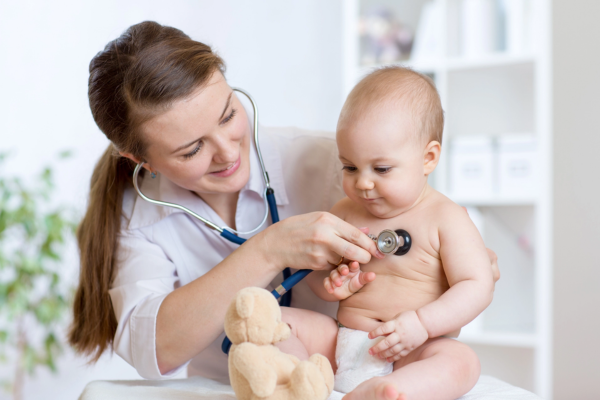
What is Pediatric Care?
Pediatric care is the specialized branch of medicine dedicated to the physical, emotional, and social health of children, ranging from newborn infants to adolescents (up to 18 years of age). A child is not simply a “miniature adult.” Their rapidly growing bodies respond to illnesses, medications, and treatments very differently from adults do. Therefore, they require the expertise of a pediatrician who understands these unique developmental stages.
Our Pediatrics & Paediatrics (OP & General IP) department at IPIMS focuses on the holistic well-being of your child. This specialty covers a vast array of body systems, including the respiratory system (lungs and breathing), gastrointestinal system (stomach and digestion), neurological system (brain and development), and the immune system. We handle everything from routine wellness checks and immunization schedules to the diagnosis and management of acute infections, chronic conditions, and developmental disorders.
In North India, particularly in regions like Haryana, seasonal shifts often trigger a high prevalence of vector-borne diseases (like Dengue and Malaria), respiratory infections, and water-borne illnesses among children. Being aware of these regional health trends, our pediatric team is highly proactive, well-equipped, and trained to manage both common ailments and sudden pediatric emergencies, ensuring your child receives the right care at exactly the right time.
Childhood asthma is a chronic inflammatory disease of the airways, causing wheezing, breathlessness, and coughing, particularly at night or early morning. Respiratory infections like bronchiolitis (inflammation of the small airways) and pneumonia (lung infection) are extremely common in young children, especially during the colder months or during sudden weather changes in Panipat.
These conditions can cause severe respiratory distress and require prompt medical intervention to ensure the child’s oxygen levels remain stable.
How We Treat It
- Accurate Diagnosis: We utilize gentle pediatric chest X-rays and lung function tests (spirometry) for older children to determine the exact cause of breathing difficulty.
- Aerosol Therapy & Nebulization: For acute asthma attacks or bronchiolitis, we provide immediate nebulization therapy in our OP or emergency department to rapidly open the child’s airways.
- Inpatient Oxygen Support: In cases of severe pneumonia or sustained respiratory distress, the child is admitted to our General IP ward for continuous oxygen monitoring, supportive care, and specialized intravenous (IV) antibiotics.
Long-Term Asthma Management Plans: We do not just treat the acute attack; our specialists create personalized, long-term asthma action plans. We educate parents on identifying trigger factors, proper inhaler techniques using spacers, and lifestyle modifications to prevent future flare-ups.
Gastroenteritis, commonly known as the “stomach bug,” is an inflammation of the digestive tract usually caused by viral, bacterial, or parasitic infections. Symptoms include frequent watery diarrhea, vomiting, stomach cramps, and sometimes fever. Because children have smaller fluid reserves, severe vomiting and diarrhea can rapidly lead to dangerous dehydration, making this one of the most frequent reasons for pediatric emergency visits.
How We Treat It
- Clinical Assessment & Lab Testing: We perform rapid stool tests and blood work in our in-house pathology lab to identify the specific pathogen causing the infection, ensuring targeted rather than generalized treatment.
- Oral Rehydration Therapy (ORT): For mild to moderate dehydration, our OP clinic focuses on guided oral rehydration using specialized WHO-approved ORS solutions, along with zinc supplementation to reduce the severity of the illness.
- Intravenous (IV) Fluid Therapy: If a child is severely dehydrated, unable to keep fluids down, or lethargic, they are seamlessly admitted to our pediatric IP ward. Here, we administer precise IV fluids to restore electrolyte balance swiftly and safely.
Nutritional Rehabilitation: Post-recovery, our pediatric team provides detailed dietary counseling, including probiotic therapy and customized meal plans, to help the child’s digestive system recover and regain lost weight.
Fever is a child’s natural defense mechanism against infection, but prolonged or exceptionally high fevers can be alarming. In the Panipat and broader Haryana region, mosquito-borne illnesses like Dengue fever and Malaria are highly prevalent during and after the monsoon season.
These illnesses present with high-grade fever, severe body aches, chills, and in the case of Dengue, dangerous drops in blood platelet counts.
How We Treat It
- Rapid Diagnostic Screening: We employ rapid antigen tests, Dengue NS1, Malaria smears, and complete blood counts (CBC) to quickly differentiate between a standard viral fever and a more severe vector-borne disease.
- Symptomatic OP Management: For uncomplicated viral fevers, we provide careful OP management, prescribing appropriate weight-based antipyretics (fever reducers) and offering detailed home-care guidance to parents.
- Intensive Inpatient Monitoring: For children testing positive for Dengue with warning signs (like falling platelets) or severe Malaria, immediate IP admission is required. We provide round-the-clock vital sign monitoring, strictly measured fluid management to prevent shock, and supportive care.
- Blood Component Therapy: In severe Dengue cases where platelet counts drop to critical levels, we facilitate timely platelet transfusions, ensuring the child is stabilized without needing to be transferred to another facility.
Neonatal jaundice is a very common condition in newborn babies, characterized by a yellowing of the skin and the whites of the eyes. It occurs because a newborn’s immature liver cannot efficiently process bilirubin, a yellow pigment produced during the normal breakdown of red blood cells. While often harmless and self-resolving, high levels of bilirubin can, in rare cases, cross the blood-brain barrier and cause neurological damage, making vigilant monitoring essential.
How We Treat It
- Non-Invasive Bilirubin Screening: We use advanced transcutaneous bilirubinometers (a gentle light meter placed on the skin) to check bilirubin levels without necessarily needing a painful blood draw right away.
- Confirmatory Blood Tests: If the skin test shows elevated levels, our in-house lab performs a precise serum bilirubin test to determine the exact severity of the condition.
- Phototherapy: The most common and effective treatment is phototherapy. We place the baby under specialized blue-spectrum lights in a warm, controlled environment. These lights safely break down the bilirubin in the skin so it can be excreted in the baby’s urine and stool.
Feeding & Hydration Support: Because frequent feeding helps clear bilirubin through bowel movements, our pediatric nursing staff provides intensive lactation support to mothers, ensuring the infant is well-hydrated and nourished during treatment.
Proper nutrition is the building block of child development. Nutritional deficiencies, such as low Iron, Vitamin D, Vitamin B12, or Calcium, are common due to picky eating habits, poor dietary absorption, or inadequate intake. Iron deficiency anemia, in particular, leads to reduced oxygen-carrying capacity in the blood, causing symptoms like extreme fatigue, pale skin, irritability, and poor academic performance.
How We Treat It
- Comprehensive Nutritional Profiling: We conduct detailed nutritional blood panels to identify the exact deficiencies. We also perform a thorough clinical evaluation of the child’s growth percentiles on standard growth charts.
- Targeted Supplementation: Based on the test results, our pediatricians prescribe high-quality, easily absorbable syrups or chewable supplements tailored to the child’s specific weight and age requirements.
- Dietary Counseling & Planning: Medication alone is not enough. We provide parents with practical, culturally appropriate dietary charts that incorporate iron-rich and vitamin-fortified foods into the child’s daily meals in a way that appeals to children.
- Follow-Up & Growth Tracking: Nutritional recovery takes time. We schedule regular OP follow-ups to monitor the child’s weight gain, height progression, and energy levels, adjusting the treatment plan as they grow.
Children’s immune systems are still developing, making them highly susceptible to allergies. These can be triggered by food (like peanuts or dairy), environmental factors (dust mites, pollen), or insect bites. This often manifests as skin conditions like Atopic Dermatitis (Eczema) — characterized by dry, intensely itchy, and red skin patches — or acute Hives (Urticaria). Unmanaged allergies can severely impact a child’s sleep, behavior, and quality of life.
How We Treat It
- Trigger Identification: Our first step is a detailed clinical history to identify potential allergens. We may recommend specific blood tests (IgE panels) to pinpoint exact environmental or food triggers causing the allergic reaction.
- Topical Therapies for Eczema: For skin conditions, we prescribe safe, child-friendly topical corticosteroids and specialized barrier-repair emollients (moisturizers) to soothe inflamed skin and rebuild the skin’s natural defenses.
- Antihistamines & Allergy Medications: We provide age-appropriate, non-drowsy oral antihistamines to control itching, sneezing, and systemic allergic responses, allowing the child to sleep and function normally.
Emergency Allergy Action Plans: For children with severe allergies (risk of anaphylaxis), we educate parents on how to use emergency auto-injectors and create a clear, step-by-step action plan to share with the child’s school or daycare.
A seizure is a sudden, uncontrolled electrical disturbance in the brain. In children, seizures can be provoked by high fevers (febrile seizures) or be unprovoked, leading to a diagnosis of epilepsy. Symptoms vary widely, from brief staring spells and unresponsiveness to full-body convulsions and loss of consciousness. Witnessing a child have a seizure is terrifying for parents, making compassionate and expert neurological care critical.
How We Treat It
- Thorough Neurological Evaluation: We conduct comprehensive assessments, often collaborating with specialized diagnostic services to perform Electroencephalograms (EEGs) to map the brain’s electrical activity and identify seizure patterns.
- Acute Seizure Management: If a child arrives at our emergency department actively seizing, we immediately administer fast-acting intravenous or rectal anti-epileptic medications to stop the convulsion and protect brain function.
- Preventative Medication Protocols: For diagnosed epilepsy, our specialists prescribe precise, tailored doses of daily anti-seizure medications. We carefully select drugs that minimize cognitive side effects so the child’s learning and development remain unaffected.
- Parental Education & Safety Planning: We spend significant time educating parents on seizure first-aid—what to do (and what not to do) during an episode, how to ensure the child’s safety, and when to call the 0180 66 55 000 emergency line.
With shifting lifestyles, decreased physical activity, and changes in dietary habits, childhood obesity has become a significant health concern. It is not merely a cosmetic issue; excess weight in children is a clinical condition that puts them at high risk for early-onset Type 2 diabetes, high blood pressure, high cholesterol, liver disease, and severe psychological stress or bullying.
How We Treat It
- Body Mass Index (BMI) Tracking: We monitor the child’s BMI continuously using pediatric-specific percentiles, allowing us to identify weight trends early before they become severe clinical issues.
- Metabolic Screening: For children presenting with obesity, we conduct comprehensive blood panels to check for insulin resistance, lipid profiles (cholesterol), and thyroid function, ensuring we catch any underlying metabolic syndromes.
- Family-Centric Lifestyle Modification: We do not believe in restrictive “diets” for growing children. Instead, we work with the entire family to implement sustainable lifestyle changes. This includes nutritional education, encouraging active play, and reducing screen time.
- Psychological and Emotional Support: We understand the emotional toll weight issues can take on a child. Our approach is always sensitive, positive, and encouraging, focusing on health and strength rather than the number on the scale.
Our Pediatrics Services in Panipat
Diagnostic Services
- Pediatric Blood & Pathology Lab: Complete blood counts, metabolic panels, allergy testing, and infection markers, drawn by phlebotomists specifically trained to work with children.
- Digital X-Rays: Low-radiation imaging used to detect respiratory infections like pneumonia, assess swallowed objects, or check for bone fractures.
- Pediatric Ultrasound: A painless, non-invasive imaging tool to investigate abdominal pain, check kidney function, or assess soft tissue swellings.
- Urinalysis & Stool Cultures: Rapid testing to detect urinary tract infections, parasites, or bacterial causes of gastroenteritis.
- Transcutaneous Bilirubinometer: A gentle light-sensor test to check for jaundice in newborns without the need for painful needle pricks.
Surgical & Non-Surgical Treatments
- Routine Immunizations & Vaccination OP: Comprehensive vaccination schedules adhering strictly to the guidelines of the Indian Academy of Pediatrics (IAP), protecting against diseases like Polio, Measles, Hepatitis, and Rotavirus.
- Aerosol & Nebulization Therapy: Immediate, supervised breathing treatments for acute asthma attacks, croup, and severe chest congestion.
- Intravenous (IV) Fluid & Antibiotic Therapy: Administered in our dedicated, child-friendly general pediatric wards for cases of severe dehydration, systemic infections, or high-grade fevers.
- Phototherapy for Neonatal Jaundice: Advanced blue-light therapy units designed to safely and quickly lower bilirubin levels in newborns.
- Minor Surgical Procedures & Wound Care: Safe, sterile, and compassionate treatment for lacerations, minor burns, and abscess drainages, utilizing pediatric-appropriate local anesthesia.
- Nutritional & Growth Counseling: Dedicated outpatient clinics focused on creating customized dietary plans for children dealing with anemia, obesity, or failure to thrive.
Why Patients in Panipat Trust IPIMS for Pediatric Care
When choosing the best pediatrician in Panipat, parents look for trust, expertise, and comprehensive facilities. Here is why families across Haryana choose the Pediatrics & Paediatrics Department at IPIMS Hospital:
- Experienced and Qualified Specialists — Our team comprises highly qualified pediatricians with [XX Years Experience] from prestigious institutes like [Institute Name], bringing world-class expertise to Panipat.
- 24/7 Emergency Pediatric Care — Illness doesn't wait for morning. Our pediatric emergency team is available round-the-clock. If your child wakes up with a high fever, call our emergency line immediately at 0180 66 55 000.
- In-House Diagnostics (No Outside Referrals) — We feature a fully integrated laboratory and radiology department. Blood tests, X-rays, and ultrasounds are done right here, ensuring you get faster reports and quicker treatments.
- Advanced Technology & Equipment — From low-radiation digital imaging to advanced transcutaneous jaundice meters and modern nebulization stations, we utilize the best tools for pediatric care.
- Transparent, Affordable Pricing — We believe top-tier healthcare should not cause financial distress. We offer ethical, transparent billing with no hidden costs.
- Ayushman Bharat & Insurance Acceptance — We are empaneled with Ayushman Bharat, CGHS, ECHS, and major private health insurance providers, making high-quality care accessible to all segments of society.
- Prime GT Road Location — Situated centrally on NH-44, IPIMS is incredibly easy to reach not only for Panipat residents but also for critical cases traveling from Karnal, Sonipat, Samalkha, Israna, and Kaithal.
- Bilingual, Compassionate Care — Our doctors and nursing staff communicate fluently in both Hindi and English, ensuring you fully understand your child's diagnosis and treatment plan without any language barriers.
Your Pediatric Treatment Journey at IPIMS
We understand that visiting a hospital can be stressful for both the child and the parents. At IPIMS Hospital, we have streamlined our patient journey to be as smooth, transparent, and anxiety-free as possible. Here is what you can expect when you visit our department:
Book Appointment
Your journey begins easily. You can schedule a visit by calling +91 70566 67979, messaging us on WhatsApp, booking online through our website, or simply walking into our OPD.
Initial Consultation
You will meet with our expert pediatrician in a child-friendly consultation room. The doctor will patiently listen to your concerns, gently examine your child, and review their medical and vaccination history.
Diagnostics (If Required)
If the doctor needs more information, you will be directed to our in-house lab or radiology center. Most diagnostic reports, such as blood counts or X-rays, are generated on the same day to avoid unnecessary waiting.
Diagnosis & Treatment Plan
Once the reports are ready, the doctor will explain the diagnosis to you in simple, plain language. We will outline a clear treatment plan, discussing all medication dosages and required home care.
Treatment / Admission (If Needed)
If the condition is mild, you will receive OP treatment (like nebulization or a prescription) and can go home. If the condition is severe, your child will be comfortably admitted to our General IP ward, where our nursing staff will provide continuous care.
Recovery & Follow-up
Healing continues after you leave the hospital. We will schedule a follow-up OP appointment to track your child's recovery, monitor their growth, and ensure the illness is completely resolved.
When Should You See a Pediatrician in Panipat?
Children experience many minor sniffles and bumps as they grow. However, knowing the difference between a routine health issue and a medical emergency can save a life. Use this guide to determine when to seek medical care at IPIMS Hospital.
- A mild to moderate fever lasting more than 2–3 days
- A persistent cough, runny nose, or sore throat that isn't improving
- Mild diarrhea or vomiting, but the child is still drinking fluids and active
- Unexplained rashes, itchy skin, or mild allergic reactions (hives)
- Ear pain, tugging at the ears, or mild fluid discharge from the ear
- Complaints of burning or pain while urinating
- Faltering growth, unexplained weight loss, or extreme pickiness with food
- The need for scheduled routine immunizations or developmental checks
- Difficulty breathing, very rapid breathing, or bluish lips and face
- A high fever in an infant under 3 months of age (this is always an emergency)
- Severe dehydration (no tears when crying, sunken eyes, dry mouth, no urine for 6–8 hours)
- Extreme lethargy, unresponsiveness, or an inability to wake up
- A sudden seizure or convulsion
Pediatric Emergency at IPIMS — 24/7
📞 Emergency: 0180 66 55 000
💬 WhatsApp: +91 70566 67979Frequently Asked Questions — Pediatrics at IPIMS Panipat
Visit IPIMS Pediatrics Department — Panipat
Your child's health is our greatest responsibility. Don't wait for symptoms to worsen. Whether you need a routine check-up, vaccination guidance, or urgent medical care, the expert pediatric team at IPIMS Hospital is ready to serve you.
📍 Address
IPIMS Hospital (Indraprastha Institute of Medical Sciences), Main G.T. Road, Panipat, Haryana
🕘 OPD Hours
Monday to Saturday, 9:00 AM to 5:00 PM
🚨 Emergency Care
Available 24/7, every day of the week
📞 Call
+91 70566 67979
+91 70566 67979